We use cookies to provide you with the best possible experience. They also allow us to analyze user behavior in order to constantly improve the website for you. Find out more.
Necessary
Analytics
Preferences
Marketing
We're exhibiting at LAMMA 2025, find us at stand 6.644
Wiring looms vs. Cable assemblies: Key differences for OEMs
What is the difference between a wiring loom and a cable assembly? A practical guide for OEMs covering design, durability, installation and long-term reliability.
If you’re working on an OEM project, you’ll often hear the terms wiring loom and cable assembly used interchangeably. In some conversations, they’re treated as the same thing. In practice, they’re not.
Understanding the difference matters. The choice affects how easily the wiring solution installs, how reliably it performs over time, and how straightforward it is to support in production and maintenance.
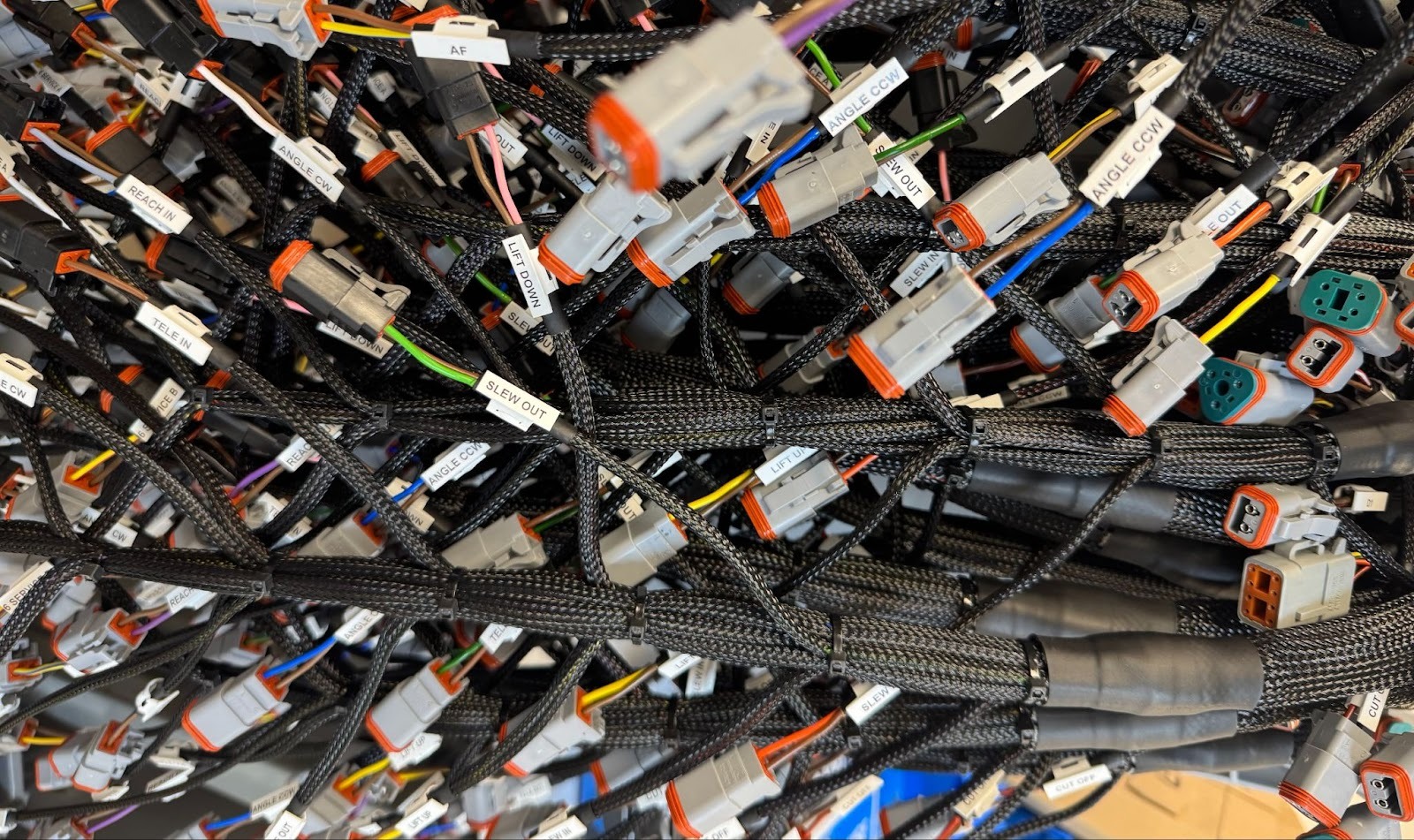
Wiring looms group multiple wires into a structured system, helping OEMs manage complex electrical installations.
This guide explains how wiring looms and cable assemblies differ, where each fits best, and how OEMs decide between them in real-world applications.
Key takeaways
Wiring looms manage system-wide wiring by grouping multiple wires into a defined structure
Cable assemblies provide protected, point-to-point connections
The right choice affects installation time, reliability and long-term maintenance
Space, environment and production volume influence design decisions
Both solutions are often used together in OEM systems
What is a wiring loom? Understanding wiring looms and wire harnesses
Wiring looms, often referred to as wire harnesses, play an important role in organising electrical systems. By grouping multiple wires into a single assembly, wiring looms help keep connections controlled, easier to manage, and less prone to damage during installation or use. They are typically wrapped in protective materials such as plastic or fabric, which support both protection and tidy routing of complex cabling.
Manufacturers often use materials such as thermoplastics for this protection, selected to balance durability and flexibility. Material choice affects how well a wiring loom performs in different environments, including exposure to heat, moisture and vibration. For this reason, wiring looms are widely used across sectors such as automotive and consumer electronics, where space, reliability and repeatability matter.
A wiring loom provides a structured way to route electrical connections through equipment. By bringing wires together into a single harness, installations stay organised and easier to access during testing or maintenance. This is particularly useful in applications where space is limited, such as vehicles or compact electronic devices.
Rather than being a loose collection of wires, a wiring loom integrates multiple connections into a defined system. This improves consistency, supports reliability and helps maintain the overall integrity of the electrical installation. For engineers and technicians, wiring looms reduce complexity and support cleaner, more predictable builds.
Wiring looms organise multiple conductors into a single assembly, improving routing, access and consistency.
What are cable assemblies?
Cable assemblies, on the other hand, serve a different purpose. These assemblies combine multiple cables into a single unit, providing an efficient and reliable means of connectivity. Unlike wiring looms, which focus primarily on organisation, cable assemblies are designed to offer robust protection and meet specific electrical and mechanical requirements.
Engineers often use connectors and terminals to customise cable assemblies, tailoring them to the needs of a particular application. This flexibility is one of the key advantages of cable assemblies, allowing them to be used in a wide range of environments, from industrial machinery to aerospace applications. The ability to design custom cable assemblies means they can be adapted to meet the stringent demands of any project.
One of the standout features of cable assemblies is their durability. Manufacturers design these assemblies to withstand harsh environmental conditions, such as extreme temperatures and moisture. This makes them ideal for use in settings where reliability and longevity are paramount, such as in aerospace or military applications.
Technicians appreciate cable assemblies for their ability to reduce installation time and complexity. By providing pre-fabricated connections, these assemblies eliminate the need for extensive on-site wiring, making installations quicker and more efficient. This not only saves time but also reduces the potential for errors, ensuring a more reliable final product.
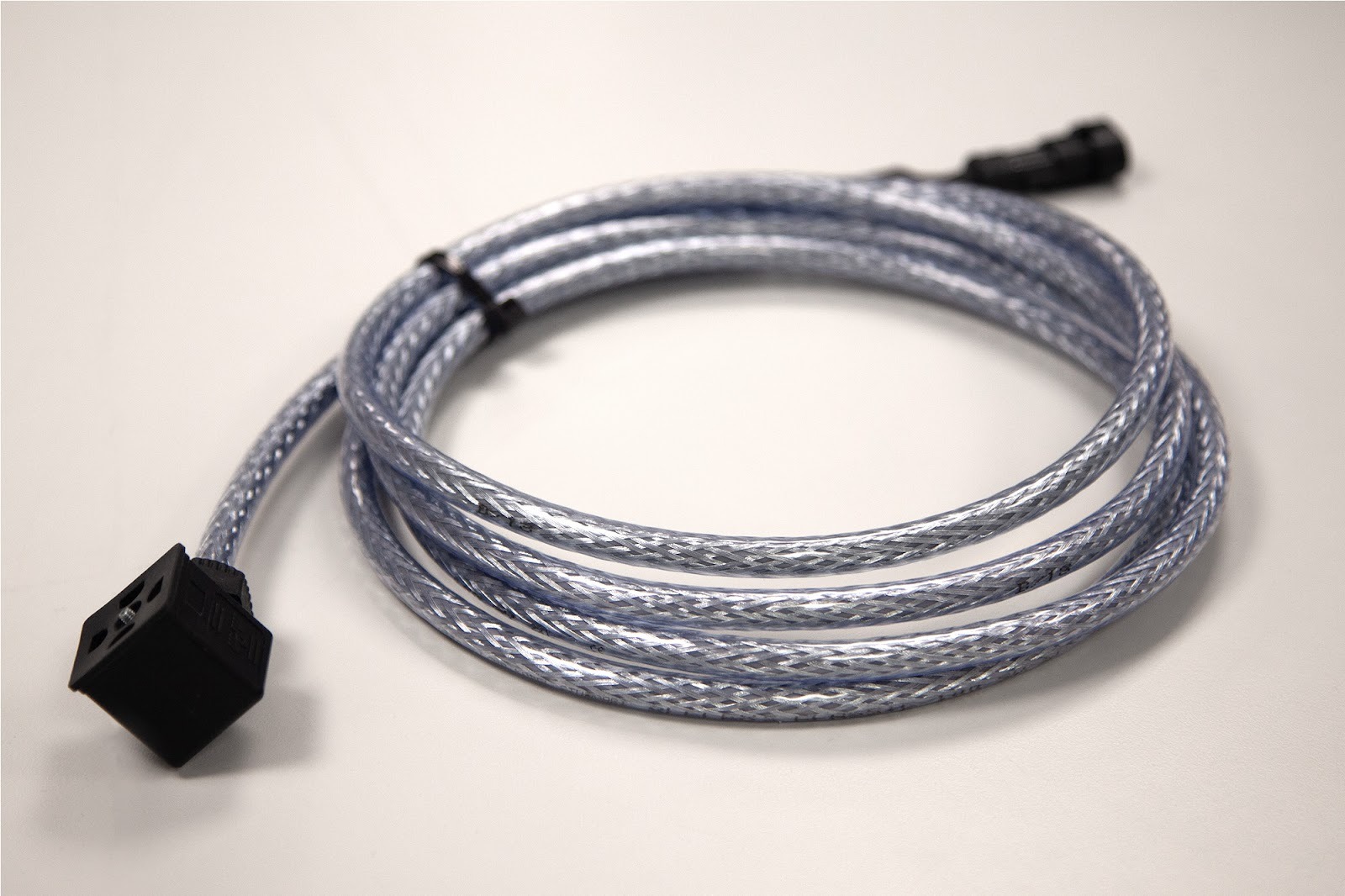
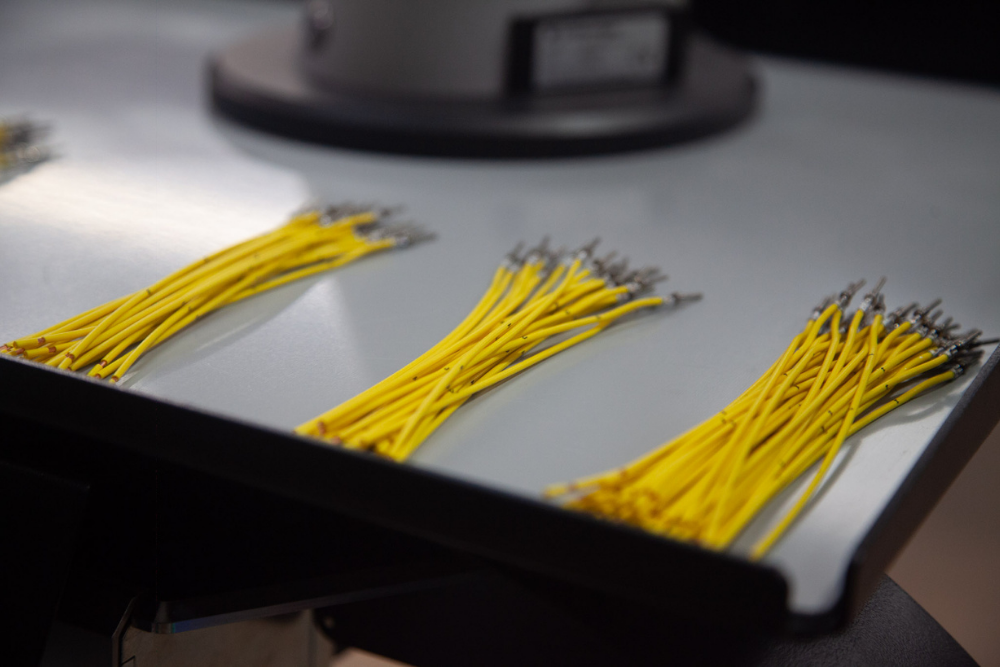
Cable assemblies provide protected, point-to-point connections designed for durability and performance.
Key differences between wiring looms and cable assemblies
Understanding the key differences between wiring looms and cable assemblies helps OEM teams choose the right approach for their application.
Wiring looms are primarily used to group and organise multiple wires within a system. They are well suited to internal wiring where connections need to follow defined routes and remain consistent across builds. This makes wiring looms a practical choice for managing complexity within machinery and equipment.
Cable assemblies serve a different role. They are typically designed as complete connectivity solutions between defined points, often with additional protection built in. Cable assemblies are commonly used where durability and performance are critical, including applications exposed to environmental factors such as temperature variation or moisture.
From a design perspective, wiring looms are usually less complex to specify and assemble. Their structure supports straightforward installation and allows adjustments to be made more easily during installation or maintenance. This flexibility supports efficient assembly and ongoing access.
Cable assemblies, by contrast, are designed to meet specific electrical and mechanical requirements. They often involve more detailed design and customisation, resulting in a more robust solution where long-term reliability is a priority.
In practical terms, the difference comes down to focus:
Wiring looms organise and route system-wide wiring
Cable assemblies provide defined point-to-point connections
Wiring looms support consistent installation across repeat builds
Cable assemblies prioritise protection and durability in demanding conditions
For OEM applications, the choice depends on how much structure, protection and control the wiring needs to provide within the wider system.
Wiring looms manage system-wide wiring, while cable assemblies focus on defined connections between points.
Design considerations for wiring looms and cable assemblies
Designing wiring looms and cable assemblies requires careful consideration of both physical and environmental factors. Engineers need to assess available space within the installation area to ensure the wiring solution fits cleanly without creating obstructions or unnecessary complexity.
Material selection plays an important role in performance and durability. Protective sheathing materials such as plastic, fabric or thermoplastics are chosen based on how the wiring will be used and the conditions it will operate in. Factors such as temperature variation, moisture exposure and vibration all influence material choice and long-term reliability.
Customisation is another key consideration. This includes selecting suitable connectors, terminals and additional protection so the wiring solution meets the electrical, mechanical and environmental requirements of the application. These decisions directly affect service life and consistency in production.
Ease of installation and maintenance also matters. A well-designed wiring loom or cable assembly supports straightforward installation and allows access for inspection, maintenance or fault-finding. This reduces downtime and helps maintain efficiency over the life of the product.
Practical use cases for wire harnesses and cable assemblies
Wire harnesses and cable assemblies are used across a wide range of industries, each with different technical and operational requirements.
In the automotive sector, wire harnesses are widely used to manage power distribution and signal routing within vehicles. They help organise complex wiring systems and support consistent installation across production volumes.
Aerospace applications often rely on cable assemblies where reliability and durability are critical. These assemblies are designed to perform in demanding conditions and support secure connections within communication and control systems.
Consumer electronics use wire harnesses to manage wiring in compact devices where space is limited. Organised routing helps support reliability while keeping designs efficient and serviceable.
Industrial machinery frequently depends on cable assemblies for high-performance operation. The protection and robustness built into cable assemblies make them suitable for environments where equipment is exposed to heat, vibration or moisture.
Medical equipment often uses a combination of wire harnesses and cable assemblies. Both play a role in supporting precise, dependable performance in systems where reliability is essential.
Advantages of using wire harnesses in various applications
Wire harnesses help simplify complex wiring systems by organising multiple wires into a defined structure. This organisation supports cleaner installations and makes maintenance and fault-finding more straightforward.
In production environments, wire harnesses can be a cost-effective solution. By reducing manual wiring work and supporting repeatable builds, they help control manufacturing time and material use.
Safety is another consideration. By bundling and protecting wires, harnesses reduce the risk of damage, short circuits and exposed conductors, supporting more reliable electrical systems.
Wire harnesses also allow flexibility in design. They can be tailored to suit specific layouts and routing requirements, making them suitable for a wide range of applications.
From an installation perspective, wire harnesses are generally easier to handle and fit, which helps reduce errors and improves consistency across builds.
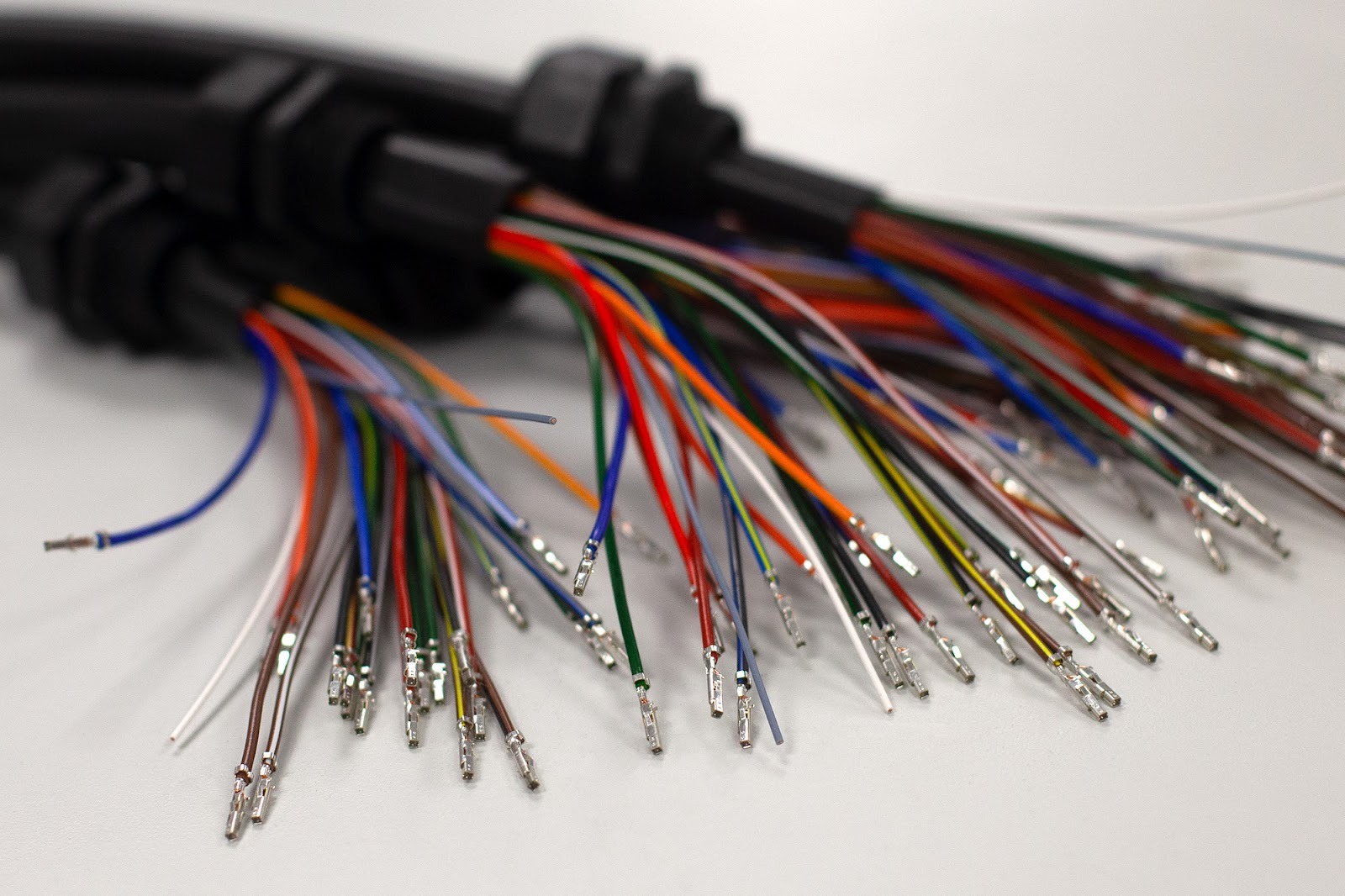
Wire harnesses support faster installation, cleaner builds and consistent production across OEM applications.
Benefits of cable assemblies in complex electrical systems
Cable assemblies are often specified where environmental protection and durability are priorities. They are designed to withstand factors such as temperature variation, moisture and mechanical stress.
Design flexibility is another advantage. Cable assemblies can be customised to meet defined electrical and mechanical requirements, making them suitable for applications with specific performance needs.
Pre-assembled connections help reduce installation time. By minimising on-site wiring, cable assemblies support faster builds and reduce the risk of connection errors.
Manufacturers can tailor cable assemblies to meet precise specifications, which is particularly important in industries with strict performance or compliance requirements.
In demanding environments, technicians value the reliability of cable assemblies. Their robust construction supports consistent performance over time with minimal intervention.
Factors to consider when choosing between wiring looms and cable assemblies
Choosing between wiring looms and cable assemblies depends on the requirements of the application, including complexity, environment and production volume - along with industry and sector.
Cost is often a factor. Wiring looms may offer a more economical option for simpler systems, while cable assemblies may involve higher initial cost but provide long-term durability and reliability.
Environmental conditions also influence the decision. Where exposure to heat, moisture or vibration is expected, the additional protection offered by cable assemblies may be necessary.
Customisation and future maintenance should also be considered. The ability to adapt the wiring solution and maintain it efficiently over time supports long-term reliability and performance.
Cost and performance considerations: Wiring looms vs. cable assemblies
When selecting wiring solutions, engineers balance cost against performance and long-term reliability.
Wiring looms typically suit less complex systems and can help control production costs while supporting consistent installation.
Cable assemblies may involve higher upfront investment but often deliver improved durability and reduced maintenance over time.
Performance requirements should guide the decision, alongside considerations around future servicing, upgrades and system changes.
Cable assemblies are often chosen where performance, durability and long-term reliability are critical.
What is the key difference between a wiring loom and a cable assembly?
A wiring loom manages multiple electrical connections across a system, with defined routing to suit the equipment it is installed in. A cable assembly usually provides a point-to-point connection between two components and focuses on signal or power transfer rather than system-wide routing.
Are wiring looms and wiring harnesses the same thing?
In UK manufacturing, wiring loom and wiring harness are often used to describe the same type of structured wiring assembly. Both refer to an organised assembly of wires, cables and connectors designed to route power and signals within equipment in a controlled, repeatable way. Any difference is usually down to terminology rather than function.
When should an OEM use a wiring loom instead of a cable assembly?
An OEM should consider a wiring loom when the application includes multiple connections, defined routing paths, space constraints or repeat production builds where consistency and installation efficiency matter.
Are cable assemblies suitable for OEM production?
Yes, cable assemblies are commonly used in OEM production for simpler, point-to-point connections. They are often used alongside wiring looms within larger systems rather than as a replacement for them.
Can a manufacturer supply both wiring looms and cable assemblies?
Yes, many OEMs work with manufacturers who support both wiring looms and cable assemblies, allowing designs to evolve without changing suppliers as projects move from development into production.
Where can I find a UK-based wiring loom and cable assembly provider?
OEMs looking for a UK-based wiring loom and cable assembly provider should look for manufacturers with in-house production, quality accreditation such as ISO 9001, and experience supporting long-term OEM supply. UK-based partners often offer clearer communication, shorter lead times and closer technical collaboration.
Is a wire harness the same as a wiring loom?
Yes, wire harness and wiring loom describe the same type of structured wiring assembly. Wire harness is more commonly used in US terminology, while wiring loom is preferred in the UK. The difference is terminology, not function.
How do wiring looms and cable assemblies affect installation and maintenance?
Wiring looms support consistent installation by defining routing and connections across a system, which can reduce installation time and simplify maintenance. Cable assemblies reduce on-site wiring work by providing pre-assembled connections, supporting faster installation and fewer wiring errors.
Need help deciding what’s right for your application?
We design and build bespoke wiring solutions - made in Worcester and supplied across the UK, Europe and internationally. If you’d like further guidance on whether a wiring loom or cable assembly is right for your OEM application, book a call to talk through your requirements with our knowledgeable team.