We use cookies to provide you with the best possible experience. They also allow us to analyze user behavior in order to constantly improve the website for you. Find out more.
Necessary
Analytics
Preferences
Marketing
We're exhibiting at LAMMA 2025, find us at stand 6.644
How to approach connector selection for harsh environments
Connector selection for harsh environments, from IP67, IP68 and IP69K ratings and MIL-spec connectors to locking styles, materials and termination.
For connector selection, harsh environments change the starting point. It begins with what the connector has to survive, from dust, water and temperature extremes to vibration, chemicals and UV. The sealing rating, materials and locking style all need to match those conditions, but termination matters just as much, because many field failures in rugged equipment begin at a poor crimp or an unsealed joint rather than the connector body.
Key takeaways
The environment should drive the connector choice, not the catalogue
An IP rating describes protection against solids and liquids, and IP67, IP68 and IP69K mean different things
MIL-spec connectors offer a higher baseline of durability for demanding defence and industrial applications
Vibration and shock usually call for positive locking, such as bayonet, threaded or latched designs
Heat, oils, fuels and cleaning chemicals affect which housing and seal materials will last
Termination quality and testing matter as much as the connector itself
Why connectors for harsh environments need careful choosing
A connector is often the weakest point in an electrical system. It is where two parts of a harness meet, where moisture can get in, and where vibration works away at a joint over thousands of hours. In agricultural machinery, marine equipment, energy systems, heating plant and industrial machinery, a connector that behaves well on a bench can fail within a season.
Getting connector selection right protects performance and reliability in demanding conditions, and it cuts maintenance and downtime over the life of the equipment.
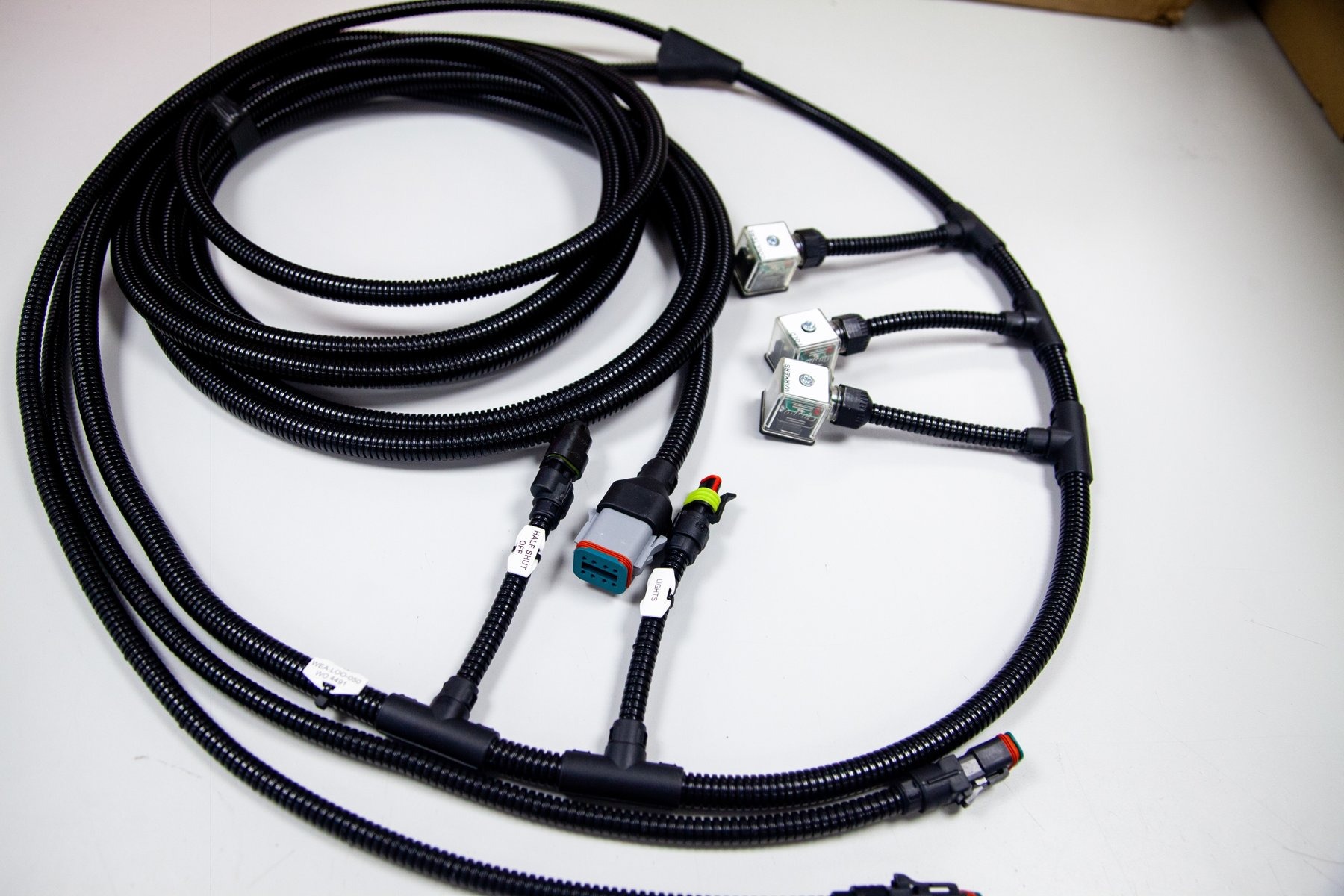
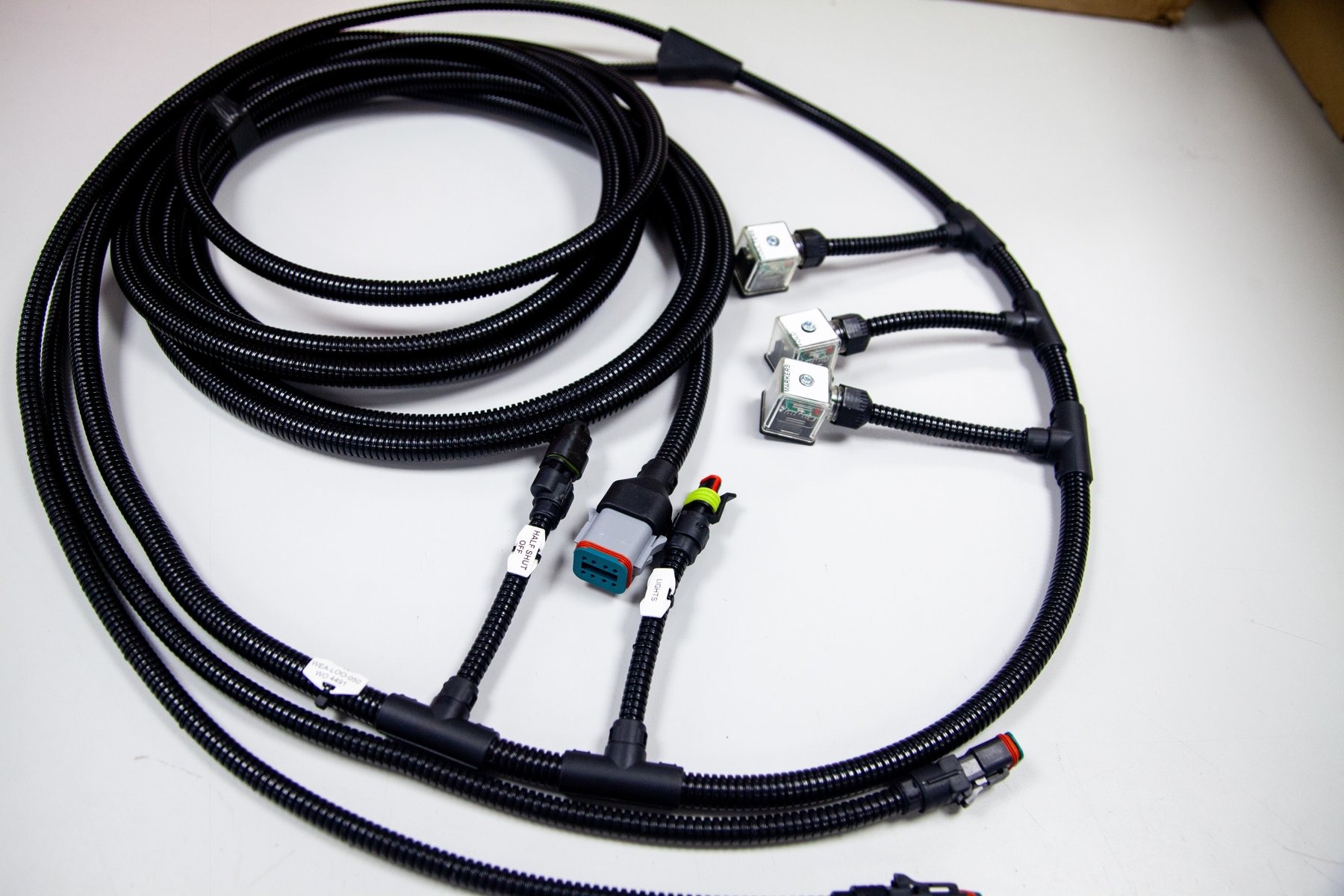
At Tec-Stop Wiring, we build wiring harnesses and cable assemblies with connectors for harsh environments from our base in Worcester, and connector choice is part of every design conversation. This industrial connector selection guide covers the six steps we work through with customers specifying ruggedised connectors for cable assembly.
Step 1. List the conditions it has to survive
Before looking at part numbers, it helps to set out what the connector will actually face.
Dust and dirt, from fields, building sites or workshops
Water, including rain, spray, immersion or high-pressure washdown
Temperature, both the range and how quickly it changes
Vibration and shock, from engines, road travel or rotating machinery
Chemicals, such as oils, fuels, fertilisers, cleaning agents or salt
UV and weather, for anything mounted outdoors
Mating cycles, meaning how often it will be connected and disconnected
That list becomes the working specification and avoids a common problem, choosing a connector simply because it was used on the last project. Connector selection then becomes a case of matching each component, from housing and seals to contacts, to those conditions, so every part is suitable for the job rather than just the connector body.
Step 2. Understand IP ratings
An IP rating, defined in IEC 60529, uses two digits. The first describes protection against solids and the second describes protection against liquids. Choosing IP rated connectors in the UK or anywhere else is a standard first step in any outdoor or industrial specification, but the numbers need interpreting carefully.
IP67
The 6 means the connector is dust tight. The 7 means it is protected against temporary immersion in water, up to 1 metre for 30 minutes. IP67 suits most outdoor and splash-prone equipment.
IP68
IP68 is also dust tight, but is protected against continuous immersion beyond 1 metre under conditions set by the manufacturer. Those conditions matter, because two IP68 connectors can be tested quite differently, which is why IP67 vs IP68 connectors are rarely a simple step up.
IP69K
IP69K, from ISO 20653, covers close-range, high-pressure, high-temperature water jets. It matters for equipment that is regularly pressure-washed, such as agricultural and food processing machinery.
A higher number is not automatically better. A connector rated for immersion is not always designed for a hot pressure washer, so the rating needs to match the real conditions rather than simply being the highest available.
Step 3. Consider MIL-spec connectors for the most demanding applications
MIL-spec connectors are designed to military specifications, most commonly MIL-DTL-5015, MIL-DTL-26482 and MIL-DTL-38999, and they are increasingly specified in industrial and commercial applications that need a high, consistent baseline of durability. Suppliers of MIL-spec connectors in the UK stock a wide range of circular formats, coupling styles and contact layouts.
They earn their place where high vibration, extreme temperature ranges and a need for very long service life with minimal maintenance all come together. Defence, aerospace, rail and heavy industrial machinery all use them, and their standardised specifications can support interchangeability between manufacturers, provided the relevant connector series and part numbers match.
MIL-spec designs use coupling styles such as threaded, bayonet and breech-lock, but the material and contact standards go further, with aluminium or stainless housings, cadmium or nickel plating, and fluorosilicone or neoprene seals. Every element is specified to survive the environment, not just the body.
Step 4. Plan for vibration and shock
Vibration loosens connections that rely on friction alone. In vehicles, tractors, mowers and industrial machinery, positive locking is usually the safer choice, so the locking mechanism belongs in the specification alongside the IP rating.
Locking styles
Bayonet connectors lock with a quick twist and resist working loose under vibration
Threaded couplings give a very secure connection where speed of mating is less important
Latched or push-pull designs lock automatically and suit frequent connection cycles
The cable needs support too. Strain relief, clips and sensible routing stop its weight and movement pulling on the contacts. A robust locking connector, well supported, will keep operating reliably long after a friction-fit design has worked itself loose.
Step 5. Choose materials for heat and chemicals
Temperature
Housings, seals and cable insulation all have temperature limits. In heating systems, engine bays and boiler applications, every part of the connection needs to be rated for the heat it will see, not just the connector body.
Chemicals and UV
Oils, fuels and cleaning agents can swell or crack the wrong seal material, and UV can break down some plastics outdoors. The material data needs to match the specific chemicals in the application, not just the general category.
Contact plating
Contact plating affects corrosion resistance. In damp or salty conditions, the right plating and good sealing work together to keep contact resistance low over the life of the product.
Step 6. Get the termination right
A ruggedised connector only performs as well as the joint behind it. A poor crimp, a nicked conductor or an unsealed entry point can let moisture in or work loose under vibration, whatever the connector rating says. This is where connector selection for harsh environments extends beyond the component itself to the assembly process.
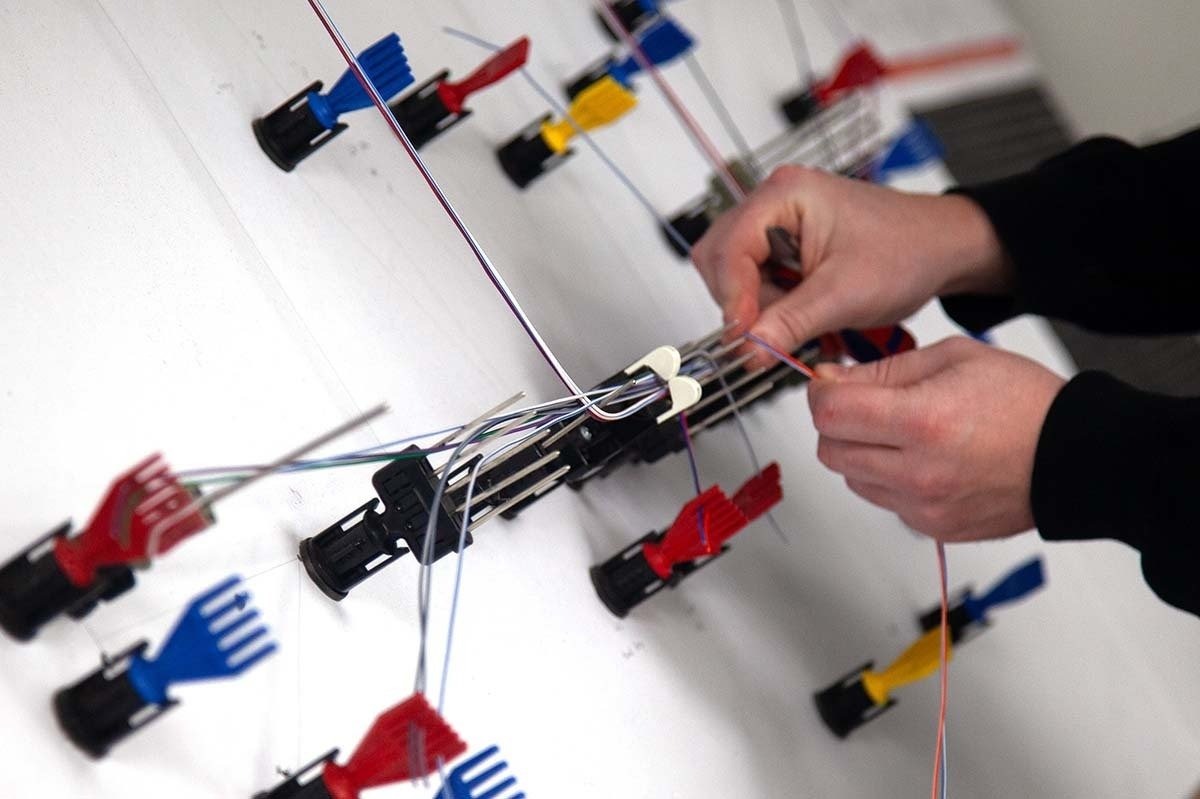
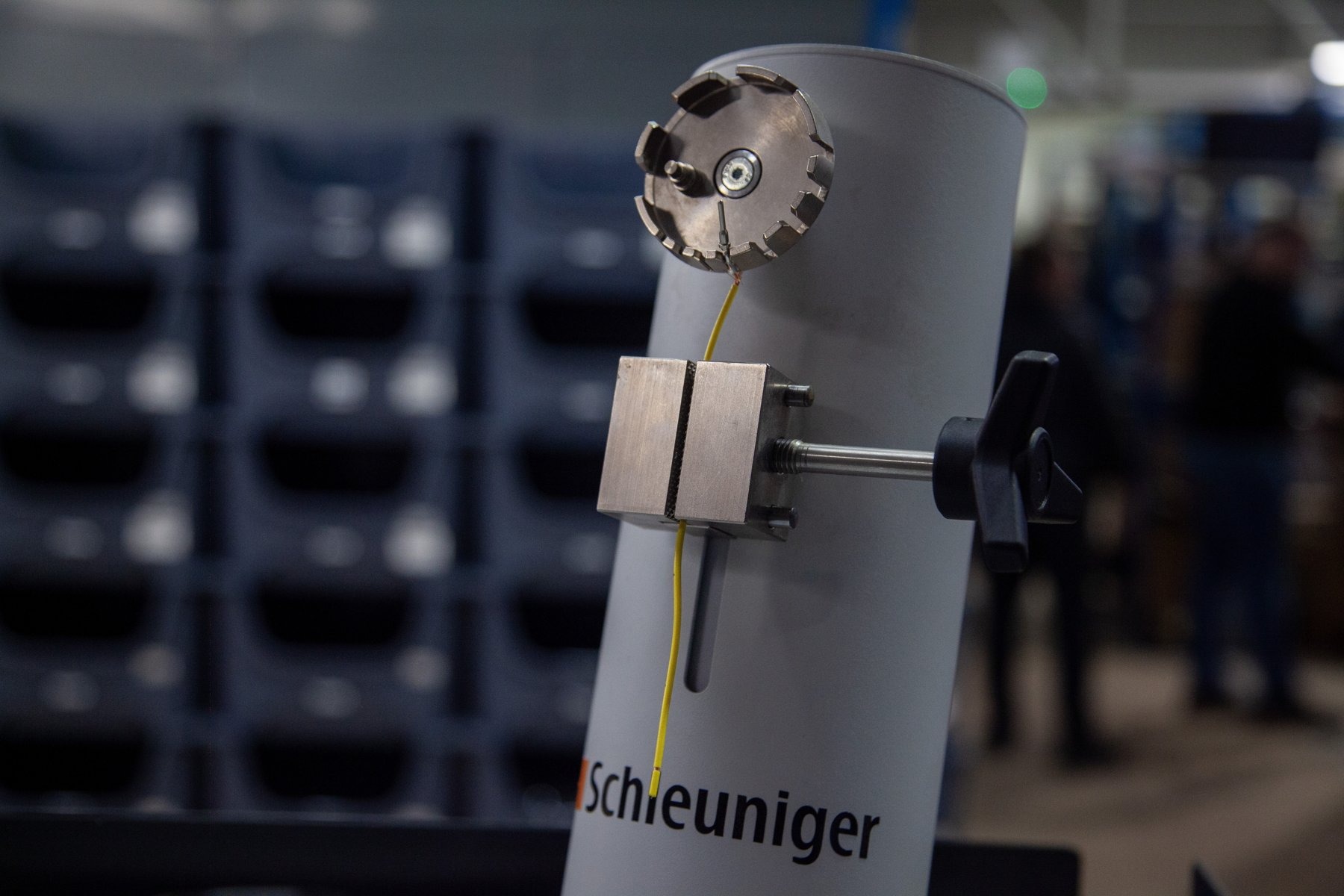
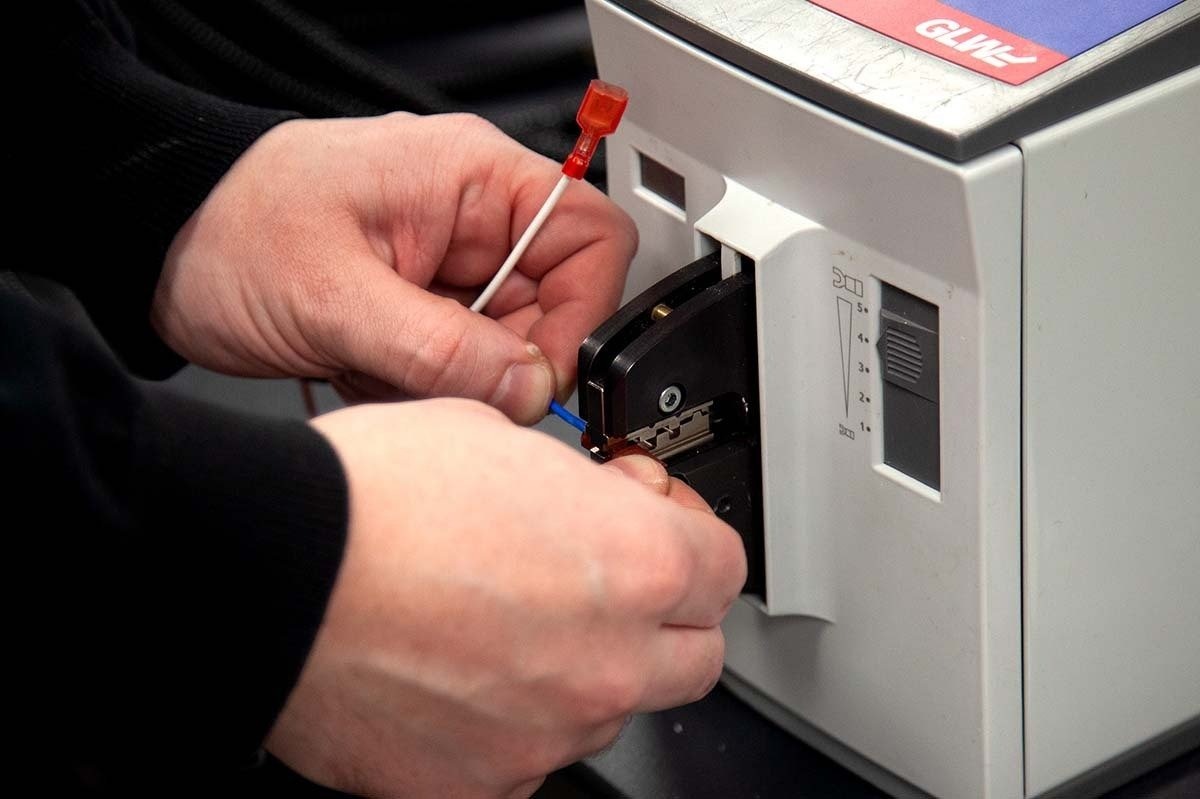
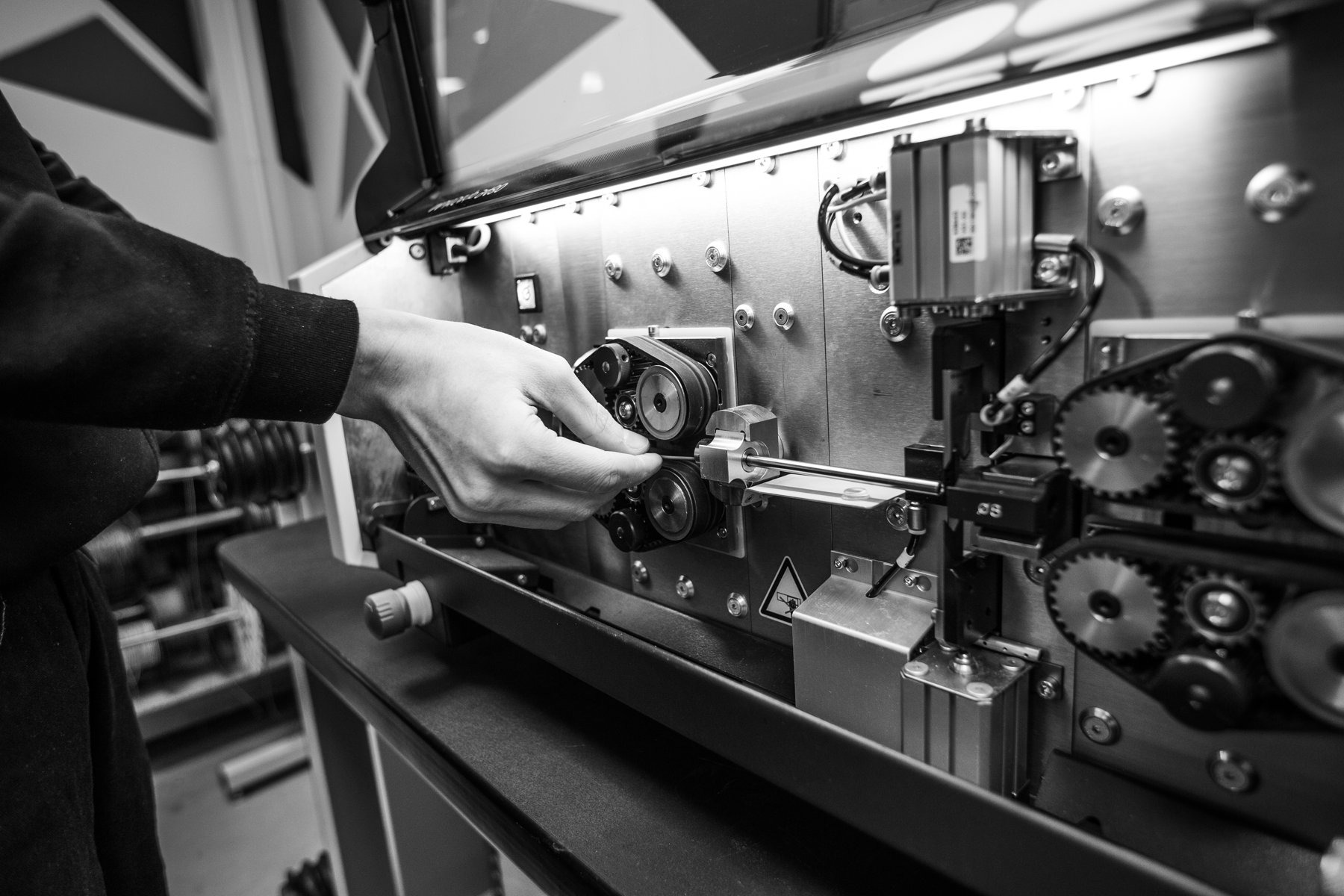
Our strip, crimp and termination service prepares each cable to the connector specification. Where appropriate, our ultrasonic welding capability provides a strong, reliable joint, with additional sealing specified where needed. Assemblies are inspected and tested according to their requirements, under our ISO 9001 quality management system.
Connectors by sector
The right connector choice depends heavily on where the equipment works. Each sector brings its own environmental conditions, and a connector engineered for one can struggle in another. Whether the parts come from a waterproof connectors manufacturer in the UK or further afield, the same checks apply.
Agriculture, where mud, washdown, fertilisers and constant vibration are all normal
Energy, including outdoor renewable installations exposed to heat, moisture and UV
Heating, where high temperatures and heat-resistant materials come first
Industrial, with oils, coolants and vibration from machinery
Across all of them the principle is the same. The environment drives the specification, not the other way around.
Get in touch or call us on 01905 675 110, or book a meeting online, or face to face with our team in Worcester.
A ruggedised connector is only as reliable as the termination behind it. A poor crimp or an unsealed joint can compromise the whole assembly, regardless of how highly rated the connector itself is.
An IP68 connector is fully protected against dust and against continuous immersion in water beyond 1 metre, under test conditions set by the manufacturer, so those conditions need to match the application.
IP67 vs IP68 connectors, what is the difference?
IP67 connectors are rated for temporary immersion up to 1 metre for 30 minutes, while IP68 connectors are rated for continuous immersion beyond 1 metre under conditions the manufacturer defines, so IP67 covers most outdoor equipment and IP68 suits anything at risk of prolonged submersion.
What are MIL-spec connectors?
MIL-spec connectors are built to military specifications such as MIL-DTL-5015, MIL-DTL-26482 or MIL-DTL-38999, with standardised dimensions and a high baseline of resistance to vibration, temperature extremes and wear over a long service life.
Push-pull connector vs bayonet, which should I choose?
A bayonet connector locks with a quarter-turn twist and holds well under vibration, while a push-pull connector locks automatically when pushed in and releases when the sleeve is pulled back, which suits equipment that is connected and disconnected often.
What are the best connectors for high temperature applications?
The best connectors for high temperature applications have housings, seals, contacts and cable insulation all rated above the peak temperature they will see, which in heating and engine applications usually means heat-resistant thermoplastics or metal housings with silicone or fluorosilicone seals.
What does a corroded connector look like?
A corroded connector usually shows green, white or dark powdery deposits on the contacts or terminals, often with discolouration, and it can cause intermittent faults, heat and voltage drop long before it fails completely.
What are heavy duty connectors?
Heavy duty connectors are usually rectangular industrial connectors designed to carry high currents and resist dust, water and vibration in machinery and equipment working in tough conditions.
What is a hermetic connector?
A hermetic connector uses a gas-tight seal, often incorporating glass or ceramic, to prevent leakage beyond a specified limit. It is used in applications where extremely low leakage rates are essential.
What are the three types of connectors?
Connectors are usually grouped into wire-to-wire, wire-to-board and board-to-board types, depending on whether they join cables to each other, cables to a circuit board, or two boards together.
Can you build a custom cable assembly for a harsh environment in the UK?
Yes, we design and build custom cable assemblies and wiring harnesses at our ISO 9001-certified site in Worcester for agricultural, marine, energy, heating and industrial equipment, with connector choice part of the design conversation from the start.
Talk to us about your next harness
If you are specifying connectors for equipment that has to work in tough conditions, we would be happy to talk it through.