We use cookies to provide you with the best possible experience. They also allow us to analyze user behavior in order to constantly improve the website for you. Find out more.
Necessary
Analytics
Preferences
Marketing
We're exhibiting at LAMMA 2025, find us at stand 6.644
What wiring harness testing should OEM buyers expect from UK suppliers?
See what OEM buyers should expect from wiring harness testing UK suppliers, from electrical checks to traceability and quality assurance.
When you order a bespoke wiring harness, you need confidence that it has been built correctly, checked against the approved specification and is ready for its intended application.
At Tec-Stop, testing is built into the manufacturing and quality assurance process for the wire harnesses and cable assemblies we produce. It helps identify issues such as crossed wires, weak crimps or damaged insulation before they reach your production line, where even a small fault could delay commissioning, stop equipment or cause intermittent problems in the field.
In this guide, we explain the wiring harness testing UK OEM buyers should expect, the checks worth discussing with your supplier and the records that should support them. At Tec-Stop, we focus on testing carried out as part of the bespoke wire harnesses and cable assemblies we manufacture, rather than standalone testing of harnesses manufactured elsewhere.
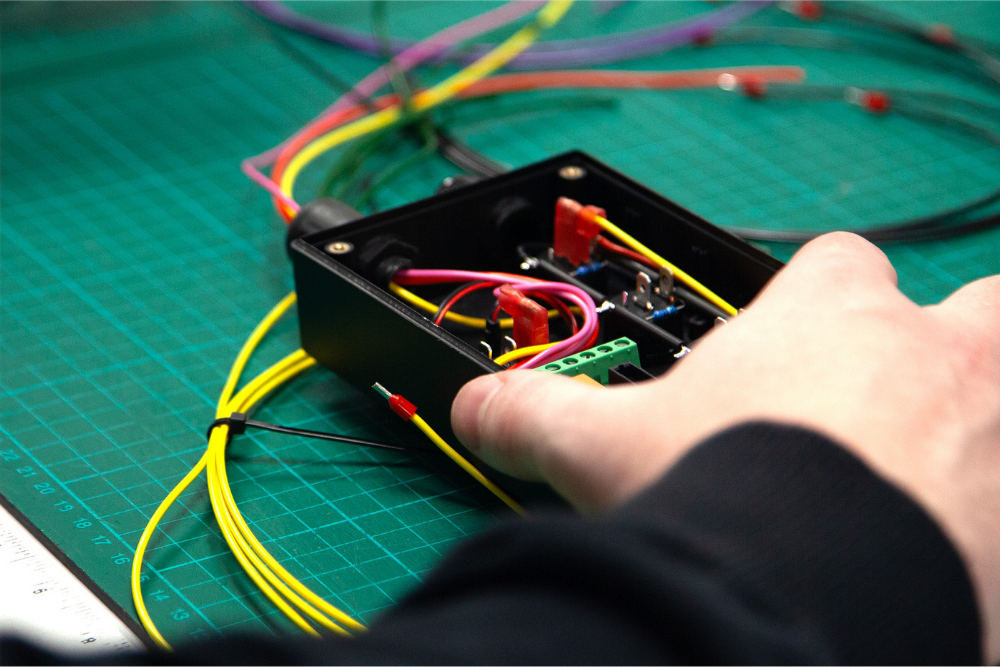
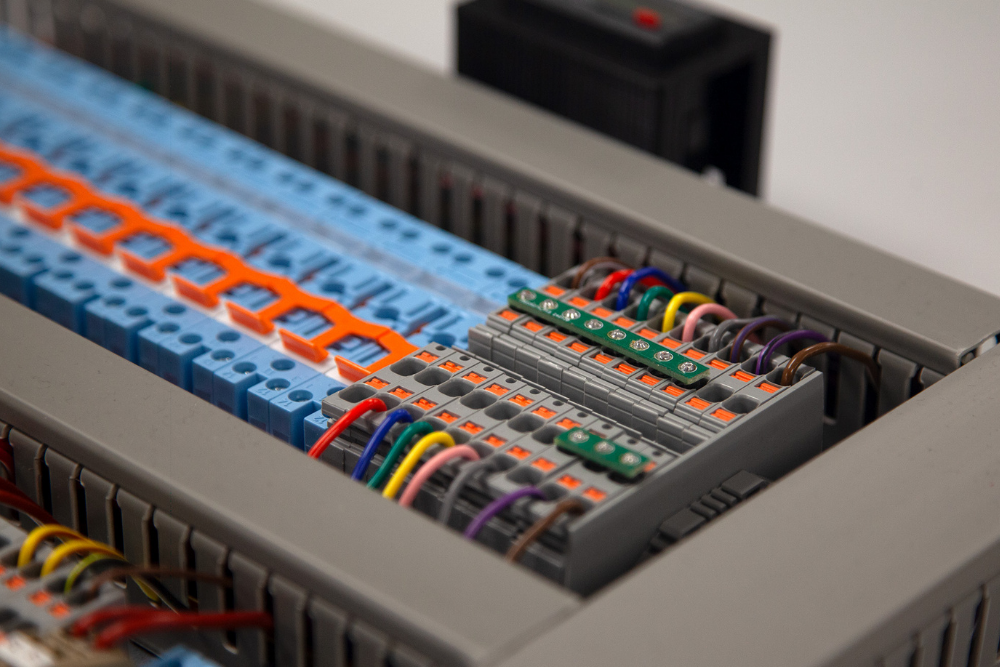
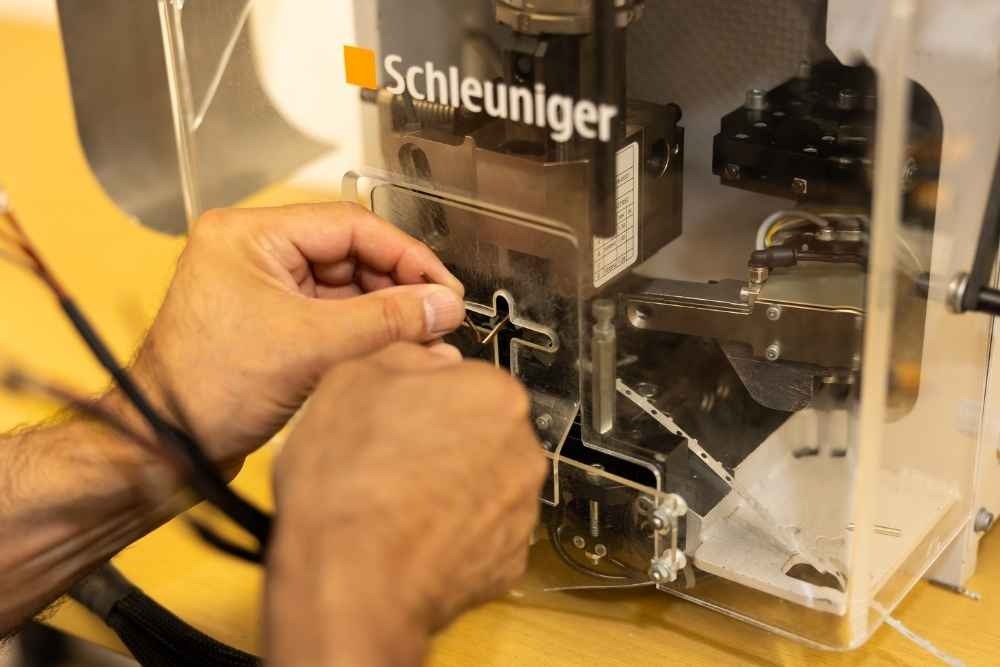
Reliable wire harness testing begins with accurate wire preparation, helping to ensure every assembly starts with consistent, high-quality components.
Why wire harness testing begins before your harness reaches a tester
Reliable wire harness testing starts with controlled manufacturing information.
We work from your approved drawing, bill of materials and current revision, using the correct wire, connectors, tools, terminals and process settings.
A basic electrical check may confirm that a circuit is complete without detecting every specification issue. A harness containing an incorrect wire gauge, for example, might still pass simple continuity testing.
That is why inspection sits alongside testing to identify damaged electrical insulation, broken strands, loose connections, missing seals or unacceptable crimps.
Which wire harness testing methods may form part of your bespoke build?
The right wire harness testing methods depend on your cable design, operating voltage, environment and end application.
Every loom we manufacture undergoes 100% electrical testing, including point-to-point, voltage, resistance and functional checks against the relevant specification.
The appropriate testing process is agreed according to your cable design, application and technical requirements before production begins.
Depending on your application, you may also need specialised high-voltage, insulation-resistance or application-specific functional testing. These requirements should be agreed before production.
Continuity testing: are the wire connections correct?
Continuity testing confirms whether each intended circuit is complete and each conductor reaches the correct terminal.
A programmed wire harness tester can compare your finished assembly with the approved wiring schedule. The tester checks for open circuits, crossed wires, short circuits, missing conductors and connections made to the wrong pins.
For assemblies with many circuits, automatic testing can be more repeatable than checking each path with multimeters. The test software must still match the current drawing revision.
Continuity testing confirms that a connection exists. It does not necessarily prove that its resistance or mechanical strength is acceptable.
Resistance testing: are the conductors performing correctly?
Resistance testing provides a resistance measurement across a defined wire path.
Unexpectedly high resistance can indicate damaged conductors, poor connector contact, loose connections or weak crimps. The expected resistance varies with conductor material, wire gauge, cable length and the number of connections.
We use suitable test equipment and agreed acceptance criteria where resistance testing forms part of your build requirements.
High-voltage and insulation testing: is the electrical insulation suitable?
Some assemblies may require high-voltage or insulation testing as part of the agreed manufacturing verification process.
A dielectric strength test, sometimes called hipot testing, applies a controlled voltage between specified conductors, or between a conductor and shield, ground or another test point. It checks for insulation breakdown or unacceptable current leakage.
Insulation resistance testing measures the resistance between electrically isolated conductors, or between a conductor and ground or shielding, at a specified test voltage.
These harness testing methods are not right for every cable assembly. Sensitive components, cable capacitance, insulation materials and the wider electrical system must be considered before setting the voltage and duration.
Functional testing: does the harness perform as intended?
Functional testing checks whether the wire harness performs as intended when connected to representative equipment, a dedicated fixture or simulated loads.
Functional testing verifies that a completed wire harness performs as intended when connected to representative equipment or dedicated test fixtures.
Depending on the assembly, the tester may check polarity, switching behaviour or voltage response across switches, relays, sensors, diodes or other devices.
Some builds, including IDC cables or signal-sensitive assemblies, may need specialised testing, diagnostic tools or test systems matched to their layout and risk.
How can a pull test support crimp quality?
Electrical harness testing cannot by itself prove that every termination is mechanically secure.
A pull test measures the force required to separate a terminal from the wire. It may be used to validate a crimp setup, approve a first-off sample or check production samples.
The required force depends on the terminal, conductor size, wire gauge and relevant customer or industry standard. A calibrated pull tester should be used with a defined method and acceptance limit.
Because the test is destructive, it is generally applied to prepared samples. Where pull-force testing is required for your build, the method and sampling plan should be agreed in advance.
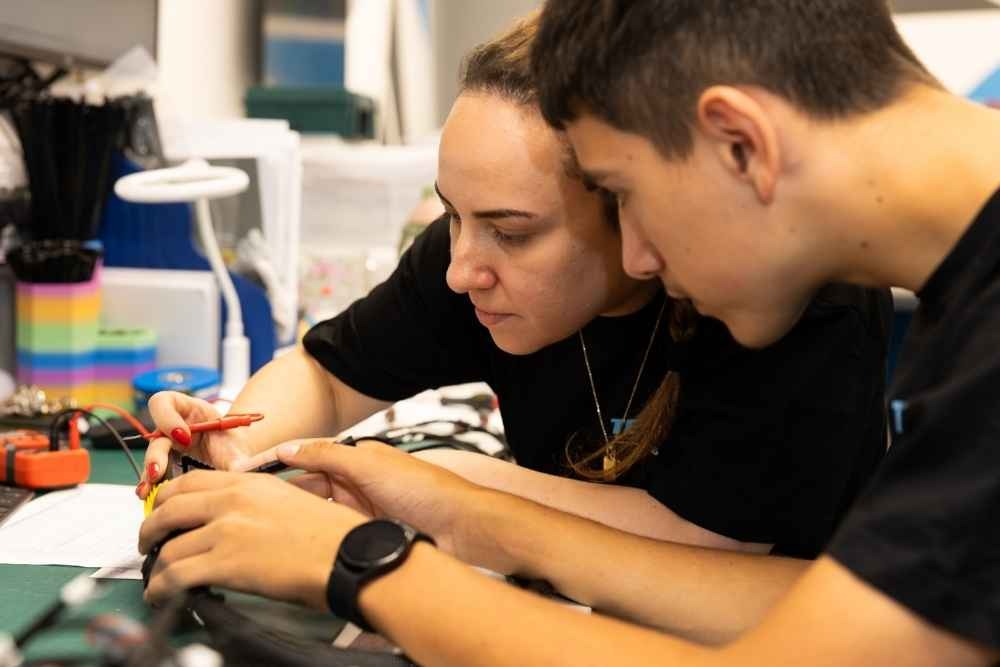
Pull-force testing helps validate crimp quality by confirming that cable terminations meet the required mechanical performance standards.
What records should support wire harness testing?
Saying that a wire harness has been “tested” is only useful when you know what was checked and how the result was judged.
Depending on your agreed requirements, supporting evidence may include:
Batch or job records
Continuity, voltage and resistance results
A wiring harness test certificate or certificate of conformity
Pull-force records
Material and component traceability
Calibration or verification status for the harness tester and test equipment
The drawing and software revision used
Non-conformance and rework records
These records link your finished cable assembly to the approved specification and support repeat orders and controlled changes.
A first article inspection may also cover dimensions, cable type, connectors, labels, crimps and test data before repeat production. It establishes a baseline but does not replace ongoing control.
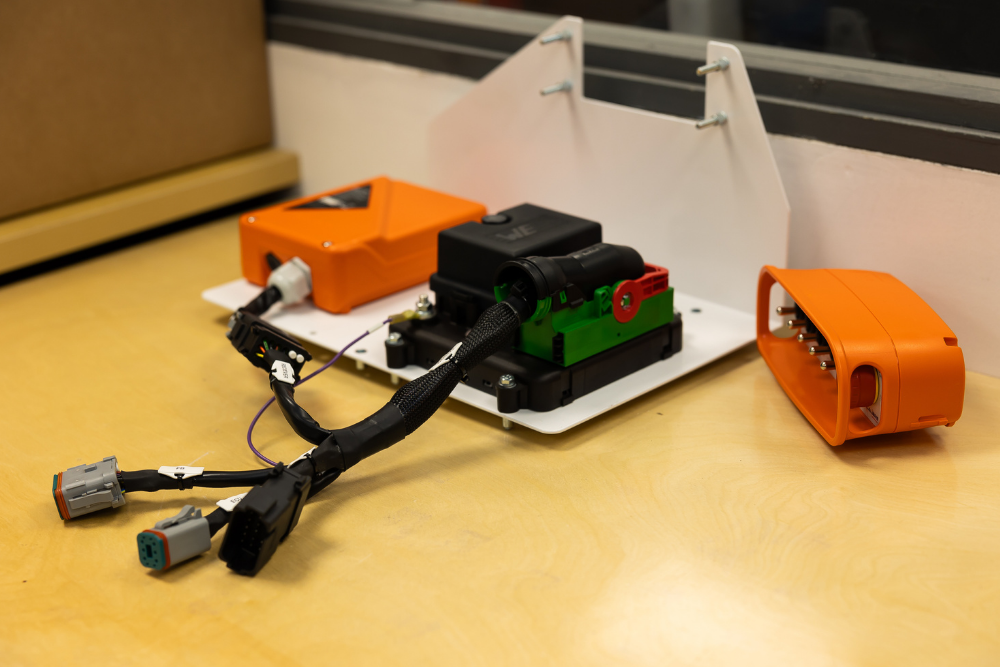
Inspection records, traceability and documented test results help link every finished cable assembly to its approved specification.
Which quality assurance systems should support harness testing?
We manufacture within an ISO 9001 quality management system, which provides a recognised framework for controlled processes, documented information, suitable monitoring and measuring resources, and non-conformance handling.
ISO 9001 does not prescribe one universal wire harness testing method. It supports translating your requirements into controlled instructions, checks and release records, with test equipment calibrated or verified where required.
IPC/WHMA-A-620F may also be specified for relevant projects. It sets out accepted materials, methods, tests and workmanship criteria for cable and wire harness assemblies, but does not determine how frequently every inspection or test must be carried out.
Other customer or sector standards may affect workmanship, sampling and the agreed tests. We can review these when defining your build.
Controlled manufacturing processes and documented quality systems help ensure consistent, repeatable wiring and testing standards.
What does good OEM harness testing look like?
Good OEM harness testing is specific to the product we are manufacturing for you.
Before production begins, you should understand:
Which checks apply to every harness
Which checks follow an agreed sampling plan
How the wire harness tester and other equipment are verified
How drawings, test systems and software are revision controlled
How failed assemblies, rework and non-conformances are handled
Which records and certificates you will receive
The strongest answer is not simply, “We test every cable.”
It is: “Here is how we will manufacture and check your assembly, decide whether it passes and record the result.”
Talk to us about testing within your bespoke wire harness build
Talk to us about the manufacturing, testing, traceability and documentation requirements for the wire harness or cable assembly you need. Agreeing these points early helps ensure the finished assembly is manufactured and verified for your equipment and end application.
From prototype development to repeat production, Tec-Stop manufactures and tests bespoke wire harnesses and cable assemblies to agreed customer specifications.
Good testing isn’t just about whether a harness passes. It’s about knowing what was checked, what it was checked against, and having the records to prove it.
We test a wiring harness by comparing the completed assembly with its approved drawing, pin-out and electrical specification. Wire harness testing may include continuity checks, resistance measurement, voltage testing and functional verification. The exact process depends on the wire harness design, operating environment and acceptance criteria agreed for your build. At Tec-Stop, this testing forms part of the controlled manufacturing and quality process for the harnesses and cable assemblies we produce.
What are the methods of wire harness testing?
The main methods of wire harness testing include continuity testing, resistance testing, voltage testing, insulation resistance testing and functional testing. Mechanical checks, such as crimp pull-force testing, may also support the electrical results where specified. Visual inspection can identify damaged wire insulation, loose terminals, incorrect labels or poorly seated connectors that an electrical tester may not detect. We agree the appropriate range of tests for your cable assembly rather than applying a generic package to every build.
What is a test harness in testing?
A test harness is a controlled setup used to check whether a product or system behaves as expected. In software, the term usually describes code and tools used to run automated tests. In electrical manufacturing, it may refer to a fixture or interface that connects a wire harness or cable to a tester, simulated load or representative equipment. This is different from the finished wiring harness we manufacture for your application.
How do you test a harness for continuity?
We test a harness for continuity by checking that every intended wire path is complete and reaches the correct connector pin. A simple cable can be checked using a multimeter. More complex assemblies are commonly connected to programmed test equipment that compares each circuit with the approved pin-out. Continuity testing can identify open circuits, crossed wires, missing connections and unintended shorts, but it does not prove every aspect of mechanical or insulation quality.
Does every wire harness need the same testing?
No. Every wire harness does not need the same testing because the technical requirements and risks vary by application. A low-voltage cable assembly may only require continuity and resistance checks. A harness used in a higher-voltage, safety-critical or signal-sensitive application may require additional insulation, functional or specialist testing. We discuss the relevant testing requirements with you before production so they can be incorporated into the build process.
Does Tec-Stop electrically test every finished harness?
Every loom we manufacture undergoes 100% electrical testing, including point-to-point, voltage, resistance and functional checks against the relevant specification. Other checks, particularly destructive methods such as crimp pull-force testing, may follow an agreed sampling plan rather than being applied to every finished assembly. We define the required checks with you according to the design, product risk and customer requirements.
What happens if a wiring harness fails testing?
A wiring harness that fails testing should be identified, segregated and investigated before release. We record the fault, determine whether controlled rework is permitted and repeat the relevant checks after correction. Where appropriate, we also review the wider batch to establish whether the issue is isolated or process-related. A strong quality process addresses root cause and corrective action, rather than simply repairing the individual cable.
What should a wiring harness test certificate include?
A wiring harness test certificate should identify the assembly, drawing revision, batch or job reference, tests completed and the acceptance criteria used. Depending on your project, it may also include recorded results, tester identification, calibration or verification status, inspection records and confirmation of material traceability. Where specific certificates or test records are required, we recommend agreeing them at quotation or design-review stage.
How are drawing changes controlled during wire harness testing?
Drawing changes should be formally reviewed before the revised wire harness enters production or testing. We align the manufacturing instructions, bill of materials, cable details and tester software with the same approved revision. Previous programmes and documents must be withdrawn or clearly controlled to prevent an assembly being checked against outdated information. This links each finished harness and its test record to the correct customer-approved specification.
Does Tec-Stop test wiring harnesses made by other manufacturers?
No, unfortunately, we don’t offer an independent testing service for existing harnesses made elsewhere, instead, testing is incorporated into the bespoke wire harnesses and cable assemblies we manufacture for you. The required checks, sampling arrangements, documentation and acceptance criteria are agreed as part of the build specification. You can discuss the testing, traceability and quality controls required for a new or repeat bespoke build with our team.
Want to find out more about testing within your bespoke wire harness build?
Talk to us about the manufacturing, testing, traceability and documentation requirements for the wire harness or cable assembly you need.