We use cookies to provide you with the best possible experience. They also allow us to analyze user behavior in order to constantly improve the website for you. Find out more.
Necessary
Analytics
Preferences
Marketing
We're exhibiting at LAMMA 2025, find us at stand 6.644
Wiring harness manufacturer UK: An OEM supplier-selection checklist
Choosing a wiring harness manufacturer UK? Use this OEM supplier-selection checklist to select the right OEM wiring harness supplier UK.
Choosing a wiring harness manufacturer UK? Use this OEM supplier-selection checklist to select the right OEM wiring harness supplier UK.
Choosing the right wiring harness manufacturer UK partner can make a huge difference to build schedules, installation time, product consistency and what happens when a design changes or a fault appears in the field.
The wrong fit can lead to delays, rework, unclear revisions and harnesses that do not perform as expected. The right OEM wiring harness supplier UK businesses can work with should help reduce these risks before production begins.
Choosing the right wiring harness manufacturer is about capability, quality systems and long-term engineering support, not simply unit cost.
How to choose a wiring harness supplier: The core checklist
Can the supplier support current volumes, future growth and changing demand without affecting quality or lead times? The best fit is one with the right equipment, people and capacity for your programme.
2. Quality systems and ISO 9001
ISO 9001 certification is a useful starting point because it shows that the manufacturer operates within a structured quality management system.
Do not stop at the certificate. Ask how drawings and revisions are controlled, how non-conformances are managed and which checks take place during manufacture and before dispatch. A strong supplier should explain how its quality system applies to your assemblies.
3. Testing and verification
Testing requirements should be agreed before quoting and production, rather than assumed at the end.
Checks may include visual inspection, continuity or point-to-point testing, resistance measurement, voltage testing and functional verification. Establish whether every unit or an agreed sample will be tested, what records you require and how any failed units will be handled.
The exact approach may vary, but the process should never be vague.
4. Design for manufacture support
A manufacturer does not need to own your product design to provide valuable DFM support.
An experienced team may identify difficult routing, connector-access problems, ambiguous drawings or component choices that affect build time and availability. Early input can reduce avoidable rework and make the harness easier to manufacture, install and repeat.
Ask how technical queries and proposed changes are documented and approved before they reach production.
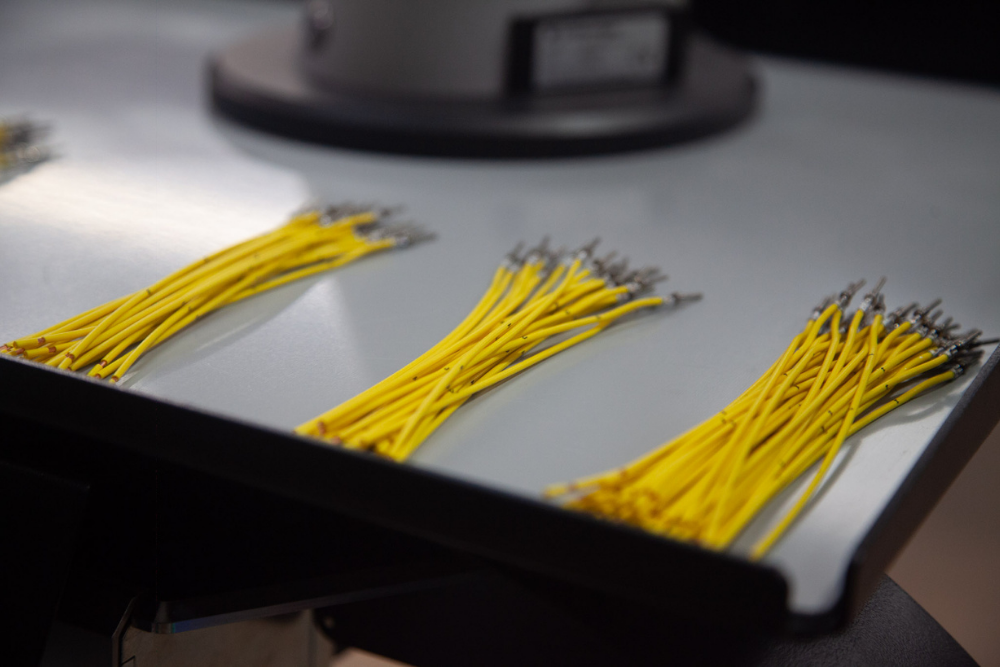
Good traceability links every finished harness to approved components, drawings and manufacturing records.
5. Materials, components and traceability
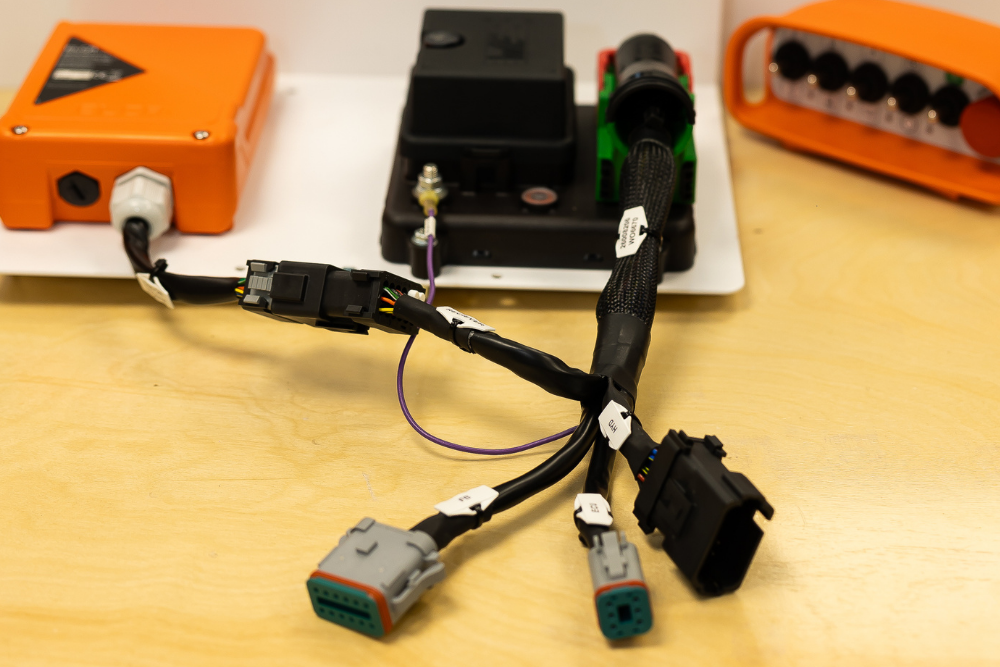
Harness performance depends on the complete combination of wire, terminals, connectors, protection, labels and assembly methods.
Ask how the supplier approves components, manages customer-specified parts and controls substitutions. Check what traceability is available for materials, batches and production records.
Revision control matters just as much. The latest drawing, bill of materials and work instructions must reach the production team without old and new versions becoming mixed.
6. Prototyping and low-volume flexibility
OEM programmes rarely move directly from drawing to stable high-volume production.
Prototype and low-volume builds help verify fit, routing and assembly method before larger orders are committed. They can also reveal gaps in drawings or bills of materials while changes are still easier to manage.
Ask whether the supplier can support one-off prototypes, pre-production batches, repeat low-volume orders and a controlled move into higher-volume supply.
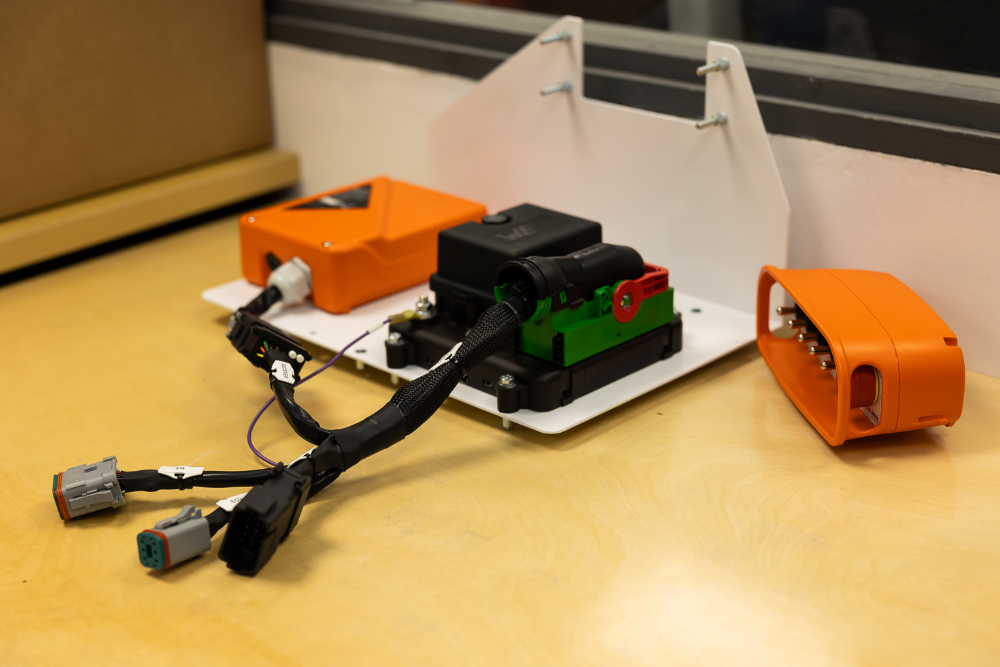
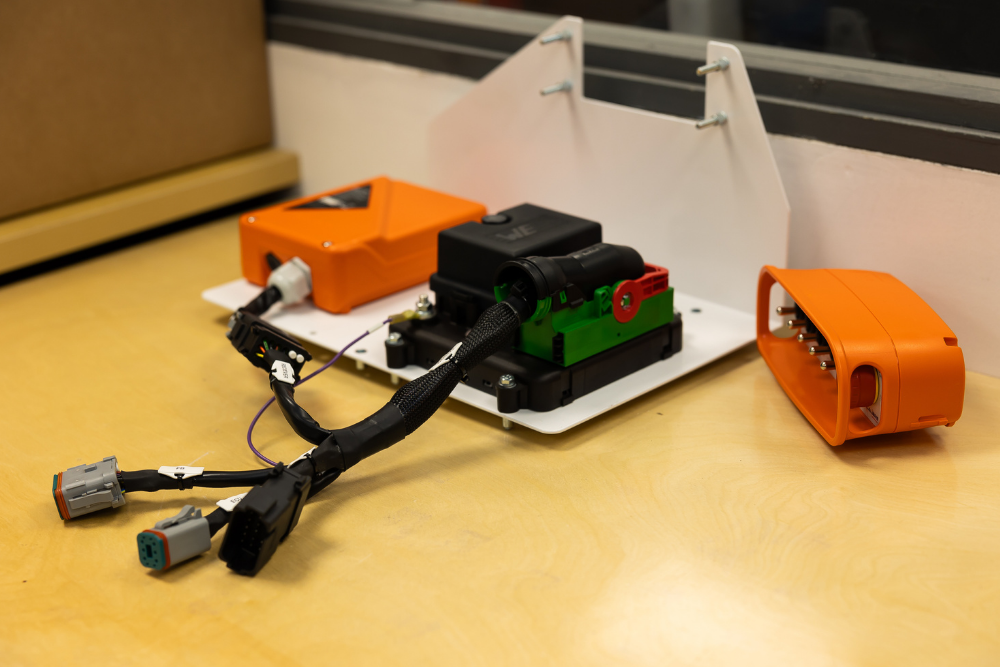
Prototype builds allow OEMs to validate fit, routing and installation before committing to larger production runs.
7. Realistic lead times
A credible lead time should reflect harness complexity, component availability, testing, order volume and current capacity.
Be cautious of promises made before the specification has been reviewed. Look for clear communication about what drives the schedule, how design changes affect delivery and when potential delays will be raised. Reliable updates can be as important as the original estimate when the harness sits on the critical path of a wider OEM build.
8. UK-based support and communication
A search for a custom wiring harness manufacturer near me is often really a search for easier access to technical support.
A UK-based supplier can simplify design reviews, sample discussions and production queries, particularly when engineering and procurement teams need answers quickly. Shared working hours can also help when specifications change.
Location alone is not enough. Assess response times, account ownership and whether you can speak directly with someone who understands the build.
9. Relevant testimonials and project evidence
Testimonials can help show how a manufacturer performs once a project moves beyond the initial sales conversation.
Look for feedback that refers to practical factors such as communication, product quality, responsiveness, technical support and dependable repeat supply. Testimonials from OEMs with similar applications, production volumes or industry requirements may be particularly useful.
Case studies and completed projects can provide further evidence of the manufacturer’s capabilities. They should not replace quality certification, testing information or technical checks, but they can help confirm whether the supplier delivers the service and support it describes.
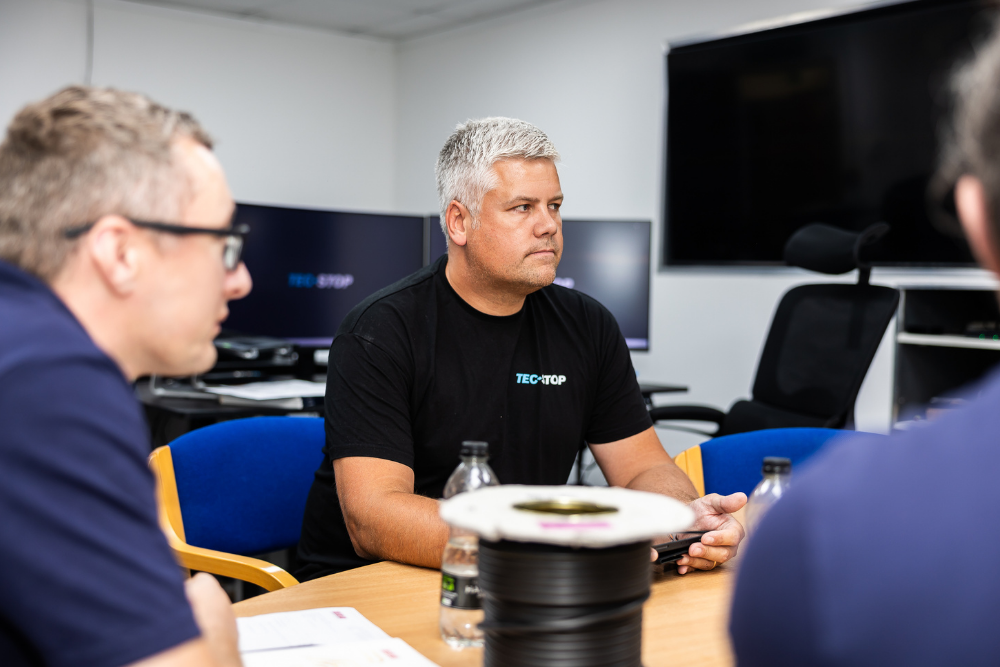
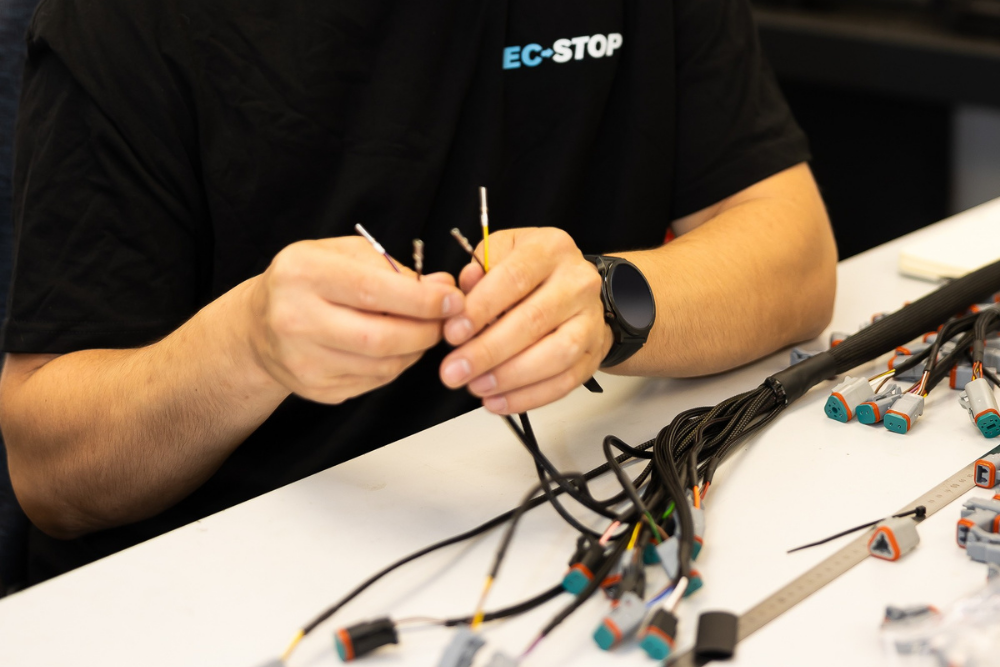
Clear communication throughout a project helps manage revisions, technical queries and production planning.
Wiring harness manufacturer questions to ask on the first call
A first conversation should establish fit and the information needed for a reliable quotation. Ask:
What do you need to assess and quote the harness?
Can you work from drawings, a bill of materials, a sample or a combination?
What testing would you recommend for this application?
Can you support prototypes and future production volumes?
How do you manage revisions, substitutions and traceability?
Which factors are likely to affect cost or lead time?
What happens if you identify a technical issue during manufacture?
What should a good manufacturer ask you?
The conversation should work both ways. Be wary of a supplier that gives a firm answer or price without understanding the requirement.
A good manufacturer is likely to ask about the application and operating environment, electrical loads and signals, routing and installation constraints, specified components, forecast volumes, testing requirements and target dates.
Detailed questions are not unnecessary friction. They often show that the supplier is identifying risk before it reaches production.
Red flags when choosing an OEM wiring harness supplier UK
Warning signs include:
Quoting without adequate technical information
Unclear answers about testing or quality checks
No visible revision-control process
Unexplained component substitutions
Reluctance to discuss capacity or realistic lead times
Little flexibility around prototypes or changing demand
Slow or inconsistent communication before an order is placed
No manufacturer can remove every project risk. What matters is whether risks are identified, communicated and managed through a defined process.
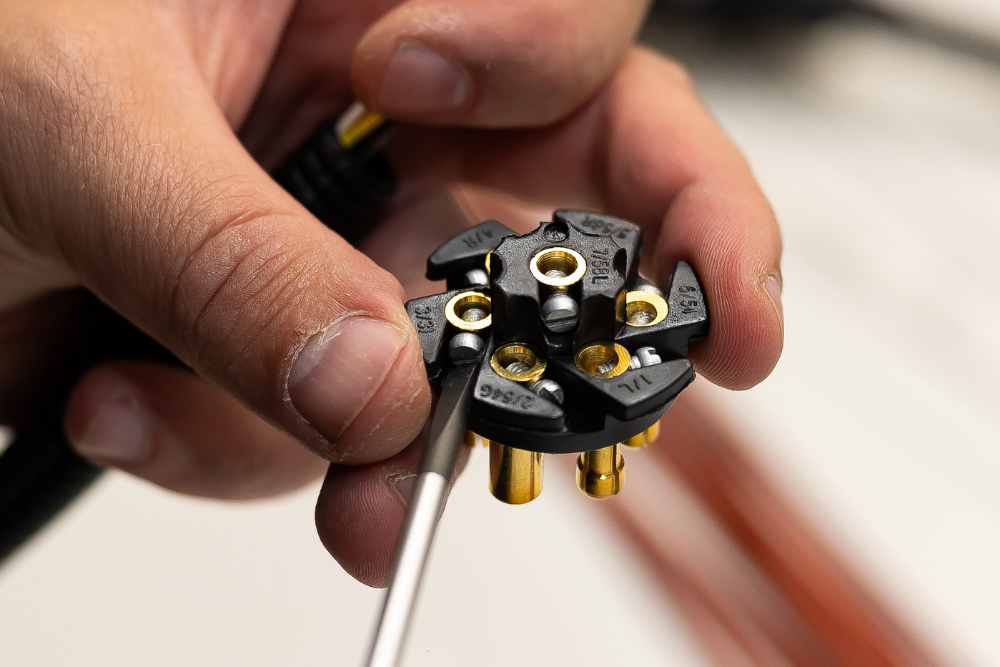
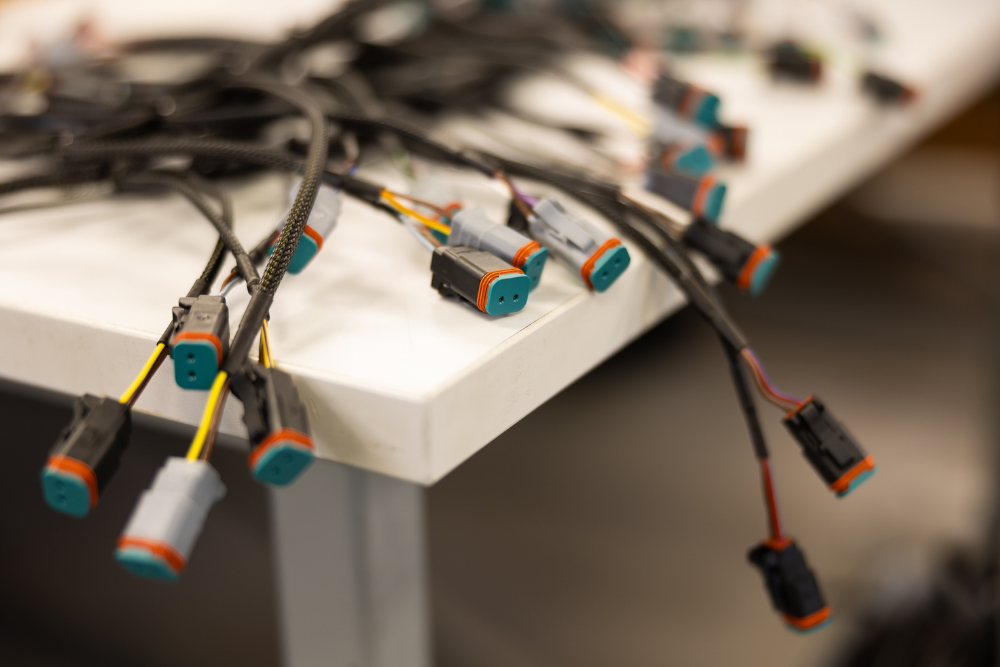
Small details such as connector termination often determine the long-term reliability of a finished harness.
UK vs overseas wiring harness supplier: Which reduces supply risk?
Overseas manufacture can remain appropriate where volumes, established tooling and unit cost support the model. The decision should be based on total supply risk, not geography alone.
A UK partner may offer easier technical communication, shorter transport routes, faster access to prototypes and simpler management of engineering changes. It can also reduce dependence on one distant source.
However, UK assembly does not mean every component is sourced domestically. Ask about component origin, availability, approved alternatives, stockholding and contingency plans. Some OEMs may benefit from a UK primary or secondary supplier alongside an overseas source, particularly for prototypes, urgent requirements or supply continuity.
Choose a wiring harness manufacturer UK OEM teams can work with long term
A strong supplier relationship supports design changes, prototypes, repeat quality, fluctuating demand and clear communication throughout the product lifecycle.
Tec-Stop is a wiring harness manufacturer based in Worcester, supporting OEM projects from one-off and prototype assemblies through to repeat and higher-volume production. Harnesses and looms are manufactured within an ISO 9001-certified quality management system, using traceable materials and electrical testing aligned to the build requirements.
Tec-Stop supports OEMs from prototype builds through to repeat production with UK manufacturing, testing and technical support.
Detailed questions aren’t unnecessary friction. They’re how we identify potential problems before they reach production.
What information should I provide to get an accurate wiring harness quote?
An accurate wiring harness quote usually requires the latest drawing or schematic, bill of materials, expected volumes, testing requirements, target dates and any approved component preferences. When approaching Tec-Stop, it also helps to explain where the harness will be used, how it will be installed and whether you require specific labelling, protection, packaging or supporting services. Where some details are still being developed, the Tec-Stop team can use an initial capability discussion to identify the information needed before providing a reliable quote.
Do buyers sourcing wiring harnesses UK-wide need production-ready drawings?
No, buyers do not always need fully production-ready drawings before starting a supplier conversation. Tec-Stop supports OEM projects from early prototypes and one-off assemblies through to repeat production, so an initial discussion can begin using the information currently available. This might include early schematics, marked-up samples, connector schedules or an existing assembly. Any remaining wire harness design assumptions, such as branch lengths, routing, connector orientation or identification, should then be agreed and documented before manufacture begins.
How should procurement teams compare wiring harness quotes?
Procurement teams should compare the total supply offer, not only the quoted unit price. Review tooling and test-fixture costs, minimum order quantities, component lead times, packaging, delivery, revision charges and the support included in the service. A lower initial price may offer less value if it creates more internal inspection, installation work, expedited freight or production disruption later.
Who should own the tooling, test fixtures and manufacturing data?
Ownership of tooling, test fixtures and manufacturing data should be agreed in writing before an order is placed. The agreement should explain who has paid for each item, where it will be stored, how it will be maintained and what happens if the supply relationship ends. Buyers should also clarify ownership and permitted use of drawings, loom-board layouts, test programmes and other production information associated with their cable assemblies.
How should engineering changes be controlled after production starts?
Engineering changes should be introduced through a documented revision and approval process that prevents old and new specifications from being mixed. The supplier and OEM should agree who can authorise a change, how affected stock will be handled and when the revised build becomes effective. For electrical wiring harnesses, this should cover drawings, bills of materials, labels, work instructions, inspection records and any linked mechanical sub-assemblies.
What is first-article approval for cable assemblies?
First-article approval is the review and acceptance of an initial production-representative build before repeat manufacture proceeds. Tec-Stop’s rapid prototyping service can support this stage by helping OEM teams validate fit, function, routing and the proposed build approach. For cable assemblies used in machinery or more complex electro-mechanical builds, checking installation as well as electrical performance can uncover issues that may not be apparent from a drawing alone. Once the prototype or first article has been approved, the agreed specification can provide the controlled reference for repeat production.
What supplier performance evidence should an OEM request?
An OEM should request evidence that shows whether the supplier can deliver high quality work consistently, rather than relying only on general assurances. Tec-Stop manufactures wiring harnesses and cable assemblies within an ISO 9001-certified quality management system. Buyers can also ask about the inspection and testing planned for their specific build, material traceability, corrective-action processes, production capacity and relevant case studies or testimonials. The most useful evidence is directly connected to the type, complexity and volume of work being considered.
Does industry experience matter when choosing a wiring harness manufacturer UK partner?
Yes, relevant industry experience can help a wiring harness manufacturer UK partner understand the operating conditions, documentation and production pressures surrounding the build. Experience in aerospace, for example, may involve very different expectations from a general industrial application. However, sector labels alone are not enough. Ask what the supplier actually manufactured, which standards or customer specifications applied and which processes or technologies were used.
How can OEMs sourcing wiring harnesses UK-wide reduce single-source risk?
OEM programmes can reduce single-source risk by identifying critical components, documenting approved alternatives and agreeing a continuity plan before disruption occurs. This may include forecast sharing, agreed stockholding, second-source component approval or maintaining transferable manufacturing information. For cable assemblies and wiring looms used across repeat OEM builds, the goal is to prevent one unavailable connector, terminal or material from stopping the wider production schedule.
What ongoing service should an OEM wiring harness supplier UK provide?
An OEM wiring harness supplier UK should provide clear order acknowledgement, agreed technical documentation, progress communication and a defined route for resolving questions after the first order is placed. Tec-Stop’s service supports projects from one-off and prototype harnesses through to repeat and higher-volume production. This can include ongoing communication around revisions, testing requirements, forecast demand and future production needs as the programme develops. That continuity is particularly valuable when sourcing harnesses UK-wide for long-term industrial, automotive or aerospace applications, where dependable support matters beyond the first sample or batch.
Ready to get a wiring harness quote in the UK or discuss whether Tec-Stop is a suitable fit for your programme?
Book a capability discussion with the Tec-Stop team today