Clients rarely remember the gauge you specified. They remember how working with you felt. In wiring solutions, technical excellence matters, but what sets top firms apart is the ability to deliver a consistent client experience across every project, team, and site. If your process feels different from one install to the next, trust erodes, schedules slip, and referrals dry up.
This tutorial shows you how to build repeatable systems that make your delivery predictable and professional. You will learn how to map the client journey from discovery to post‑install support, then translate that journey into standards and checklists. We will cover proposal and site survey templates, labeling conventions, documentation packages, change control, and quality gates. You will set clear communication cadences, acceptance criteria, and handover artifacts that reduce rework. We will also define service SLAs, create commissioning and punch list procedures, and choose metrics that prove consistency, such as first time fix rate and time to close. By the end, you will have a practical toolkit, SOPs, and a simple improvement loop that scales with your team, so every client experiences the same reliable delivery, project after project.
Understanding the Importance of Consistent Client Experience
Why consistency matters in wiring solutions
Consistency is not a soft metric; in wiring solutions and control panel assemblies, it determines performance, safety, and serviceability. Structured cabling approaches create predictable layouts and labeling, which speeds service, reduces rework, and improves responsiveness, a benefit highlighted in guidance on optimizing customer experience with structured cabling. Upstream, comprehensive quality control in wire production keeps tolerances tight and outcomes repeatable, reinforcing confidence in every shipment, as discussed in the importance of comprehensive quality control in wire production. Pair that with efficient wiring routing, logical panel layout, and complete documentation, and you reduce downtime across automotive, aerospace, and industrial applications. Actionable step: standardize wire codes and labeling, torque specifications, and in-process inspection gates to eliminate ambiguity at build and test.
How consistency drives satisfaction and retention
A consistent client experience correlates with measurable loyalty. Research shows 90 percent of highly satisfied customers are highly likely to return and recommend, roughly double the rate of merely satisfied customers, according to why a consistent customer experience leads to customer loyalty. In practice, consistent updates, empathetic tone, and clear scopes align expectations and prevent misalignment that erodes trust. Define response time SLAs for quotes and engineering questions, use a standard change-log template, and close the loop on issues within an agreed window. Train teams on attentive, calm call handling, since clients who feel understood stay longer and refer more.
Tec-Stop’s role and building OEM-dealer trust
Tec-Stop’s approach centers on reliable communication that matches reliable assemblies. We provide predictable touchpoints, weekly milestone summaries, and transparent risk notes so OEMs see the same process every project. That consistency extends to the build, with traceable materials, serial-numbered harnesses, verified test records, and complete as-built documentation delivered at handover. For OEM-dealer relationships, this removes surprises, shortens commissioning, and creates a repeatable interface between engineering, purchasing, and production. Practical framework: one project owner, a shared dashboard, a 24-hour issue acknowledgement rule, and a standard post-build support window. In the next section, we will translate these principles into a stepwise workflow you can adopt immediately.
Key Trends Influencing Wiring Solutions
Market outlook
Forecasts point to sustained expansion in harness demand. Many analysts expect double digit growth in the highest velocity segments, with some estimates near 12.1% CAGR from 2025 to 2032 for EV and ADAS intensive applications. Broader market views project the wire harness market reaching 142.8 billion dollars by 2032, with overall CAGR in the mid single digits, driven by transportation, telecom, and industrial automation wire harness market outlook. In automotive specifically, growth from 72.4 billion dollars in 2025 to 125.7 billion dollars by 2032, about 8.2 percent CAGR, is tied to EV platforms and ADAS content automotive wiring harness market growth. Action for OEMs, align sourcing and qualification plans for high voltage cable, sealed connectors, and advanced shielding early in program timelines.
Electrification and fiber optics
Electrification raises engineering stakes for harness layout, routing, and safety. High voltage orange-jacketed cabling requires clear creepage and clearance, robust grommeting, and HVIL capable connectors to protect technicians. Shielding strategies must limit coupling into low voltage control runs. Fiber optics is gaining ground where EMI immunity and bandwidth matter, such as ADAS backbones and factory networks. Specify bend-insensitive fiber, rugged termini, and strain reliefs; validate optical loss budgets alongside traditional continuity and hipot tests. Hybrid copper plus fiber assemblies often reduce weight and interference while preserving power delivery.
Digital customer experiences
Consistent client experience now includes digital-first collaboration. Interactive configurators, CAD-driven digital twins, and virtual prototyping help teams validate lengths, bend radii, and service loops before release, reducing change churn. Clear portals with BOM traceability, revision logs, and milestone visibility reinforce confidence. Pair these tools with professional, empathetic support; customers who feel valued and understood are more likely to remain loyal, sustaining long-term programs. Practical step, institute structured design reviews with annotated 3D harness models and single-source documentation.
Innovation priorities for future-ready assemblies
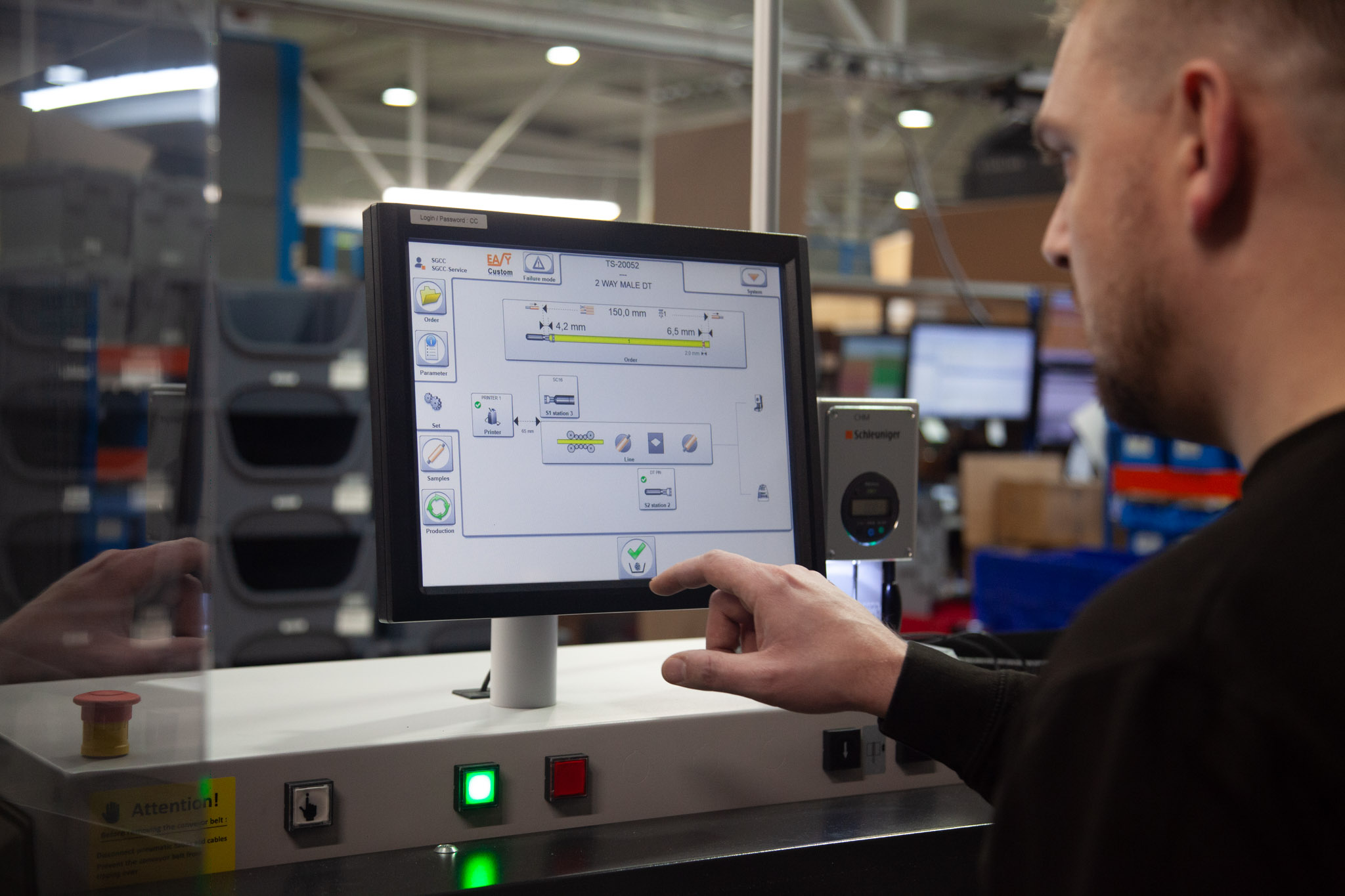
Material upgrades, such as high temperature polymers and flame-retardant jacketing, improve durability in compact enclosures. Modular harness architecture, with standardized breakouts and service connectors, shortens change cycles across product variants. Sustainability is rising, so plan halogen-free insulation options and recycling-friendly spools. Production innovation matters too; automatic wire processing is expanding across industries, and in-line crimp force monitoring with barcode traceability supports consistent quality. Start with pilot builds that log crimp data, introduce modular subassemblies, and develop a reusable digital twin library to accelerate the next release.
Strategies for Delivering Consistent Client Experiences
Open communication that aligns expectations
Consistent client experience starts with a predictable communication cadence that keeps expectations aligned. We recommend a simple rhythm, a 15-minute weekly check-in focused on milestones, blockers, and design or BOM deltas, supported by a concise status sheet that uses the same fields every time. Tone matters as much as content; clients who feel heard and respected report higher satisfaction and loyalty, especially after issues are resolved with empathy and clarity. At kickoff, define acceptance criteria, drawing standards, and test requirements in a one-page brief so nothing is ambiguous later. After each phase, a short lessons-learned note prevents repeat mistakes and signals accountability.
Technology that enhances client interactions
Lightweight tools make updates dependable and verifiable. A secure client portal with real-time build trackers, barcode traceability for components, and automated milestone notifications gives OEM teams the same view our technicians use. Digital travelers capture torque values, continuity test results, and photos of terminations, then compile into an as-built packet without extra effort. QR-coded panel tags that link to schematics and wiring diagrams reduce support friction and speed serviceability. Personalizing dashboards by project or plant helps each client see what matters most, from first-article status to ship readiness.
Transparent risk and change management
Risk and change are inevitable, but surprises are not. Use a visible risk log with owners, likelihood, and mitigation steps, reviewed in every status call. Standardize ECR and ECN handling, acknowledge within 24 hours, provide impact analysis in 48 to 72 hours, and update revision-controlled drawings before any work proceeds. Gate changes with client signoff and publish a change digest within one business day. Techniques like FMEA, UL 508A conformity, and IPC/WHMA-A-620 workmanship criteria keep hazards, quality, and compliance in view.
Tec-Stop’s practical playbook for trust and reliability
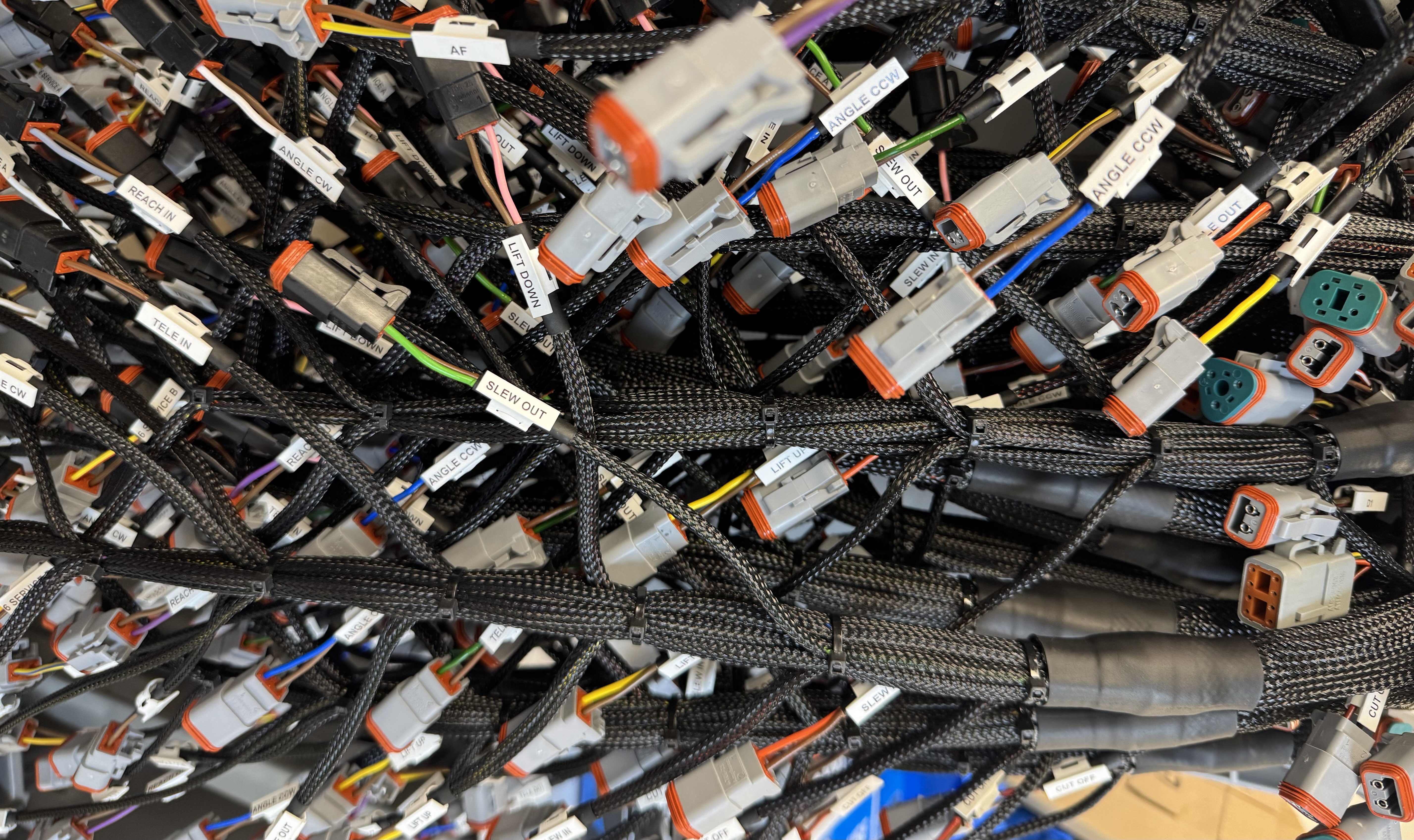
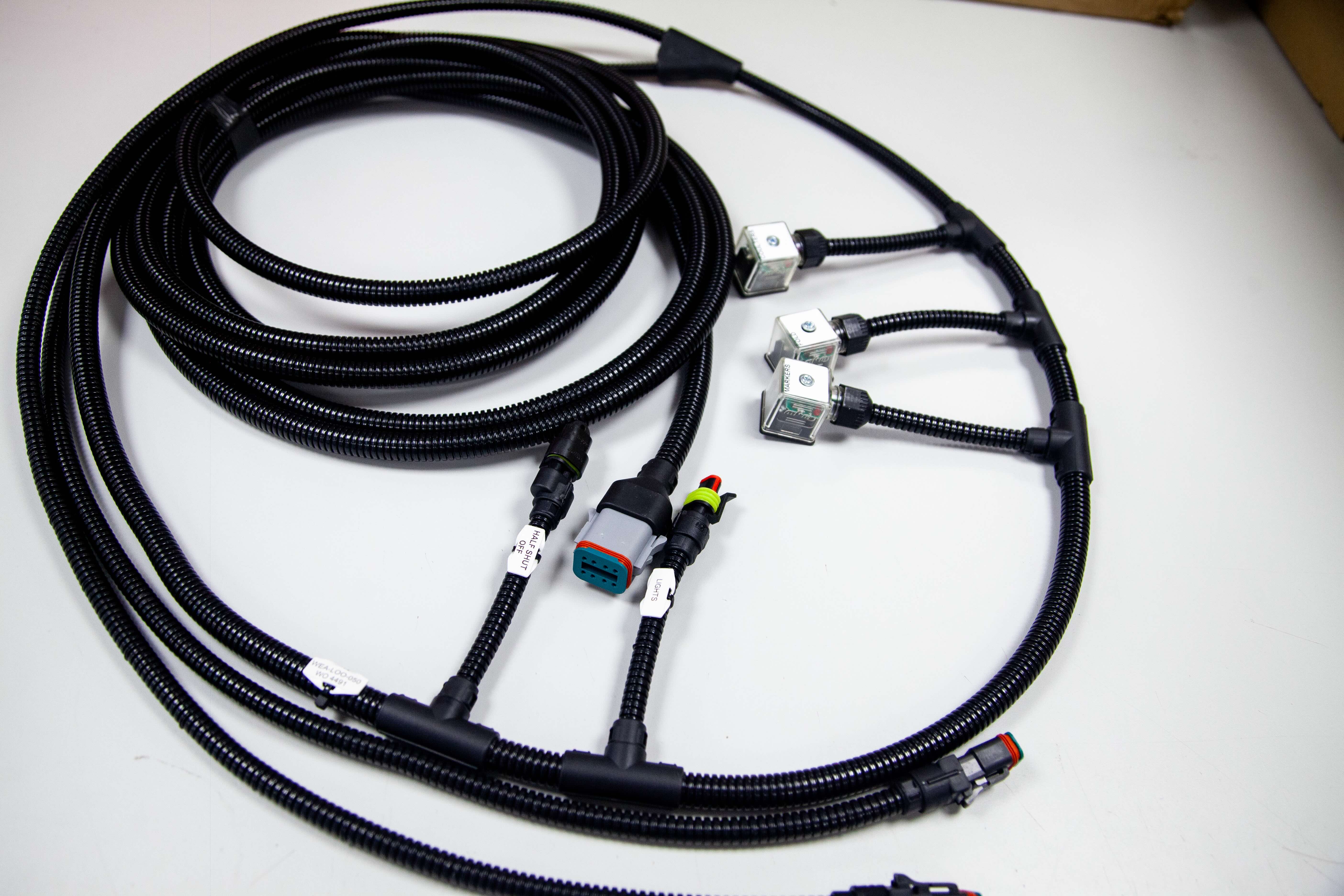
Our builds follow consistent habits that clients can count on: every conductor labeled, ferrule crimping verified with pull-test records, documented torque specs, and 100 percent point-to-point continuity testing. We provide photo documentation and a clean as-built packet with wire lists, test logs, and revision history. Service loops and logical layout improve airflow and maintenance access, which reduces lifetime cost. When an OEM swapped to a higher current drive, we issued updated schematics, a layout change, and a cost and lead-time impact within 48 hours, avoiding rework and keeping the schedule intact.
Integrating Quality Control in Control Panel Assemblies
Planning and testing workflow
Consistent client experience in control panel assemblies begins with disciplined quality planning. We set acceptance criteria early, then verify designs for wire sizing, protection, spacing, and heat management against UL and customer specifications. A formal design verification and component inspection step, supported by guidance on quality control in manufacturing, reduces rework and clarifies expectations before parts are cut. During build, technicians validate each termination against the schematic, apply torque verification on lugs, and complete 100 percent continuity checks. Final functional testing, including controlled power up, I/O simulation, and insulation resistance checks, confirms predictable performance and serviceability in the field.
Why components matter
Using quality components is central to reliability and safety, and it directly influences lifecycle cost. Specifying UL recognized devices, appropriately rated contactors, and high-temperature wire insulation minimizes nuisance trips and overheating, which reduces service calls. Supplier vetting prevents counterfeit or substandard parts, an increasing risk as automation accelerates globally. A practical example is selecting circuit breakers with the correct interrupt rating and curve, which protects downstream equipment while avoiding false trips during motor inrush.
Five quality focus areas
Five areas keep manufacturing quality tight and repeatable. Risk management identifies failure modes early with FMEA, then mitigates them through design safeguards and clear labeling. Document control maintains current schematics, work instructions, and test records with full revision traceability. Change management routes every engineering change through cross-functional review so impacts to clearances, heat, and wiring are assessed before release. Internal audits confirm workmanship, tool calibration, and ESD practices are followed, and nonconformance handling closes the loop with root cause analysis and verified corrective actions.
Tec-Stop’s commitment
Tec-Stop delivers reliable wiring solutions through careful planning, vetted components, and rigorous testing aligned with best practices for properly designed industrial control panels. We build to print with manufacturability reviews, use serialized test records, and employ fixture-based checks to standardize results across assemblies. Our communication is steady and clear, with defined checkpoints and documented findings that eliminate surprises. This quality discipline produces dependable builds and a consistent client experience that gives OEMs confidence in every connection.
Embracing Innovation: Smart Technologies and Intelligent Wiring
Smart meters are reshaping MEP design
Smart meters move MEP design from static assumptions to live, data-led planning. Interval data lets engineers map real load profiles, then size feeders, protection, and controls to match actual use. Real-time monitoring enables load shifting and demand response, scheduling high draw equipment outside peak windows to cut demand charges and support grid stability, see smart meter trends for MEP. When meters publish data into the building management system, HVAC controls self-adjust to occupancy and tariff signals, improving comfort and reducing waste, see smart building technologies in MEP. Staggering compressor or oven starts with meter alarms helps prevent coincident peaks and nuisance trips in control panel assemblies.
Electrification that supports sustainability
Electrification improves efficiency by replacing combustion equipment with heat pumps and electric boilers that deliver higher coefficients of performance. Shifting to electric also enables renewable sourcing and cuts Scope 1 emissions while removing combustion by-products that harm indoor air quality. Tighter energy codes and carbon caps are accelerating this shift, and electrified designs make compliance more straightforward. For OEMs, meter-aware and grid-friendly products align with expanding utility demand response programs and open new specifications. The automatic wiring system market is growing rapidly with broader automation, so designs that assemble, test, and document cleanly will scale with confidence.
Tec-Stop’s approach and OEM next steps
Tec-Stop integrates electronics into wiring solutions and assemblies, using digital work instructions, kitted parts, and automated documentation to shorten lead time and reduce rework. We apply quality control, logical layout, and clear labeling so meters, sensors, and gateways connect cleanly, support service, and maintain a consistent client experience. For OEMs, start by specifying meters that support Modbus or BACnet with time-synced interval data, request BMS-ready points lists and tagged as-builts, and design harnesses with provisioned connectors and service loops for future sensors. Pilot demand response logic on a test bench with simulated peaks, then fold results into product documentation and training. Maintain a communication cadence during rollout, share meter-driven insights, and close feedback loops to strengthen trust and repeat orders.
Conclusion: Building Confidence Through Consistently Reliable Solutions
Consistent client experience in wiring solutions builds confidence in every connection. Reliability comes from repeatable processes, defined acceptance criteria, controlled wire sizing and routing, labeled terminations, and documented test records for each assembly. Efficient layouts shorten commissioning and simplify service, and disciplined documentation makes future maintenance predictable. Communication carries equal weight; research shows that a friendly, attentive tone and clear updates make clients feel valued, which strengthens loyalty, especially after issues are resolved with empathy. A predictable cadence, for example same day responses to RFIs, twice weekly progress notes with photos, and a clear escalation path, keeps expectations aligned and prevents misalignment.
Technology sharpens this consistency. Adoption of automated wire cutting, laser printing for markers, digital torque capture, and automated continuity testing improves repeatability, and current automation trends are accelerating investment. To translate that into client satisfaction, pair innovation with quality control, add QR codes that link to test data, use OEM grade components, and run first article builds that lock wiring standards before scale. Actionable steps, implement a tiered checklist for incoming parts, in process inspections, and final factory acceptance testing; keep a living specification with approvals; train teams in professional call handling so every update is empathetic and precise. Applied calmly and consistently, these practices give OEMs a reliable experience from kickoff through handoff, and position your team to meet rising demand without sacrificing quality.