We use cookies to provide you with the best possible experience. They also allow us to analyze user behavior in order to constantly improve the website for you. Find out more.
Necessary
Analytics
Preferences
Marketing
We're exhibiting at LAMMA 2025, find us at stand 6.644
What is a wiring harness and when does your application need one?
What is a wiring harness, how does it work, and when does your application need one? Clear, practical guidance from a UK wiring harness manufacturer.
If you work around machinery, industrial equipment or OEM products, you’ve probably heard the term wiring harness countless times. It’s one of those phrases that gets used so often it can feel self-explanatory.
But if you’re newer to the industry, moving into an engineering role, or responsible for sourcing and procurement rather than designing, the term isn’t always as clear as it sounds. What exactly is a wiring harness? How is it different from individual wires or cable assemblies? And when does your application actually need one?
A wiring harness brings multiple wires and connectors together into one organised, install-ready assembly.
This guide breaks it down in plain terms. We explain what a wiring harness is, what it does in practice, and when using one makes sense, so you can make informed decisions without having to wade through jargon. So if you’ve been searching ‘UK wiring harness’ or ‘wiring harness UK’ - look no further!
What is a wiring harness?
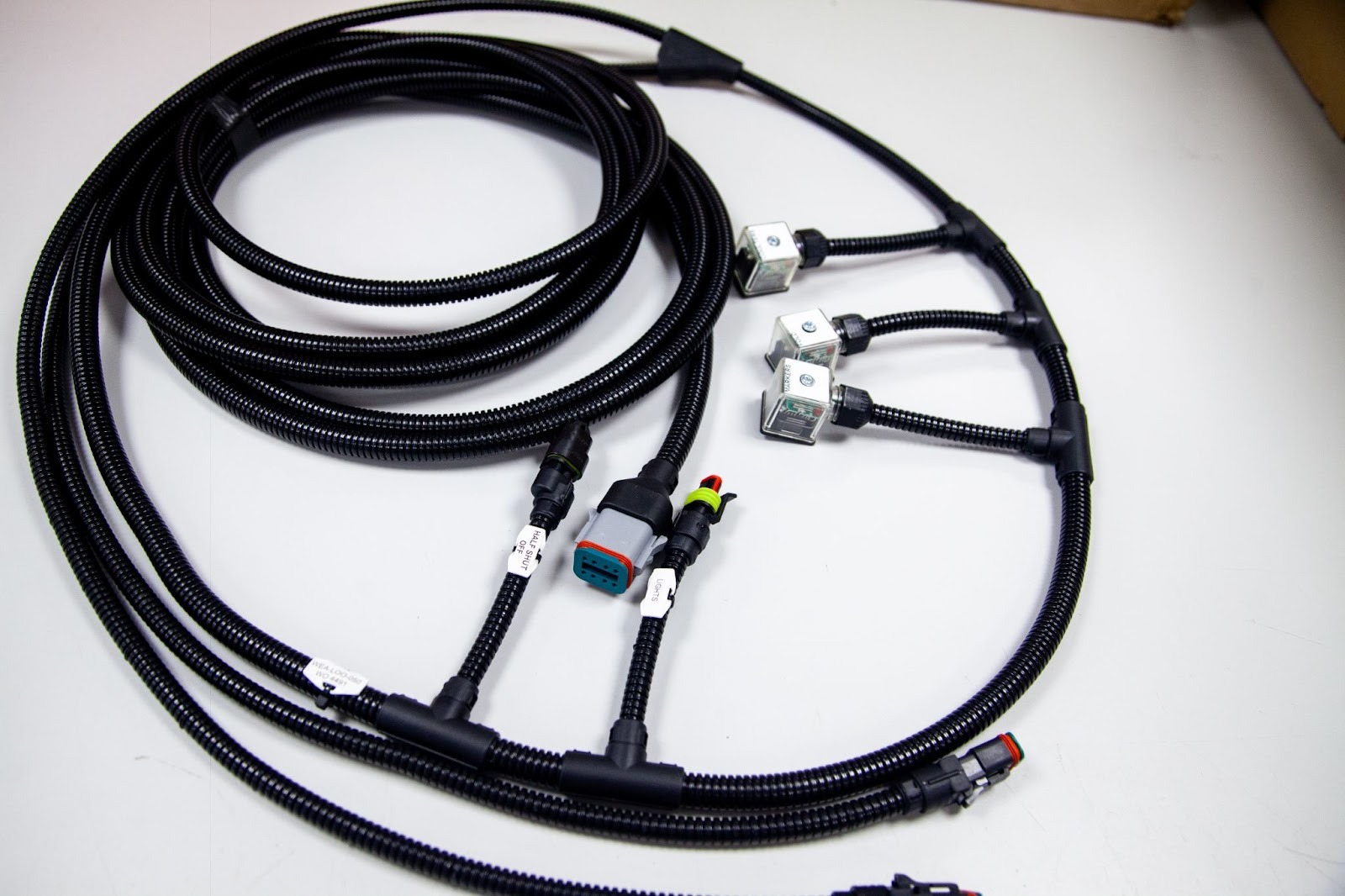
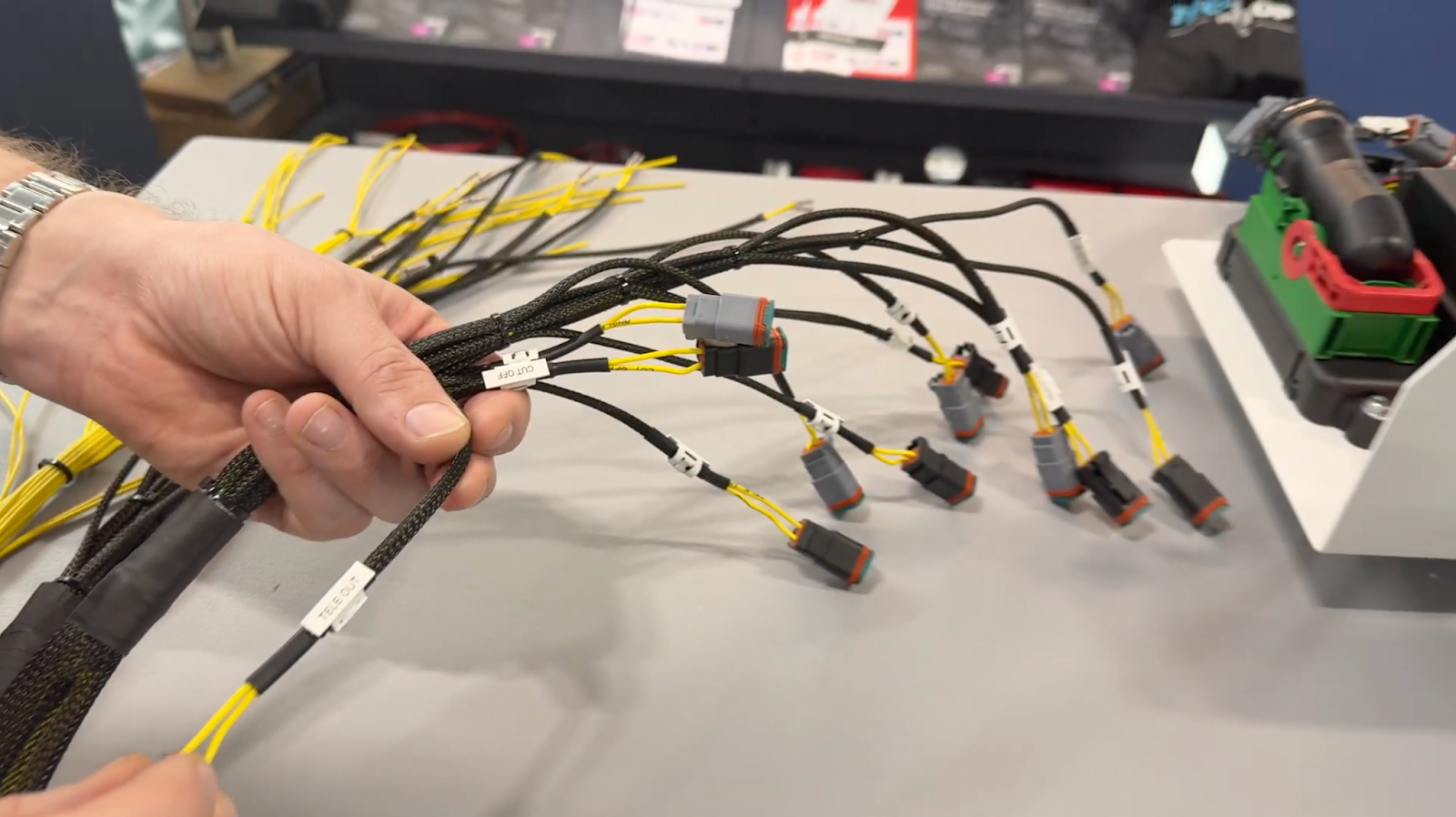
A wiring harness is an organised assembly of wires, cables and connectors brought together to transmit power and signals within a system. Instead of routing individual wires separately, a wiring harness groups them into a single, managed structure. This improves reliability, simplifies installation and supports consistent performance across repeat builds.
Wiring harnesses are used across industrial equipment, machinery and OEM applications where dependable electrical connections matter.
What does a wiring harness do?
A wiring harness manages how electrical connections are routed, secured and protected inside a product or system.
In practice, a wiring harness:
Delivers power and signals reliably
Keeps wiring organised and controlled
Reduces installation time
Supports repeatable production
Improves serviceability and fault finding
A wiring harness controls routing, protection and connection points, reducing installation time and wiring errors.
For complex systems, a wiring harness removes variation and reduces the risk associated with loose, poorly routed or inconsistent wiring.
How a wiring harness is different from individual wires
Using individual wires may work for very simple builds. As systems become more complex, risks increase. A wiring harness replaces loose wiring with a defined wiring harness system that is:
Designed to fit the application
Built to a repeatable specification
Assembled under controlled processes
Easier to install and maintain
This approach supports quality, traceability and consistency, particularly in production environments.
Wiring harness vs cable assembly - is there a difference?
A common point of confusion is the difference between a wiring harness and a cable assembly.
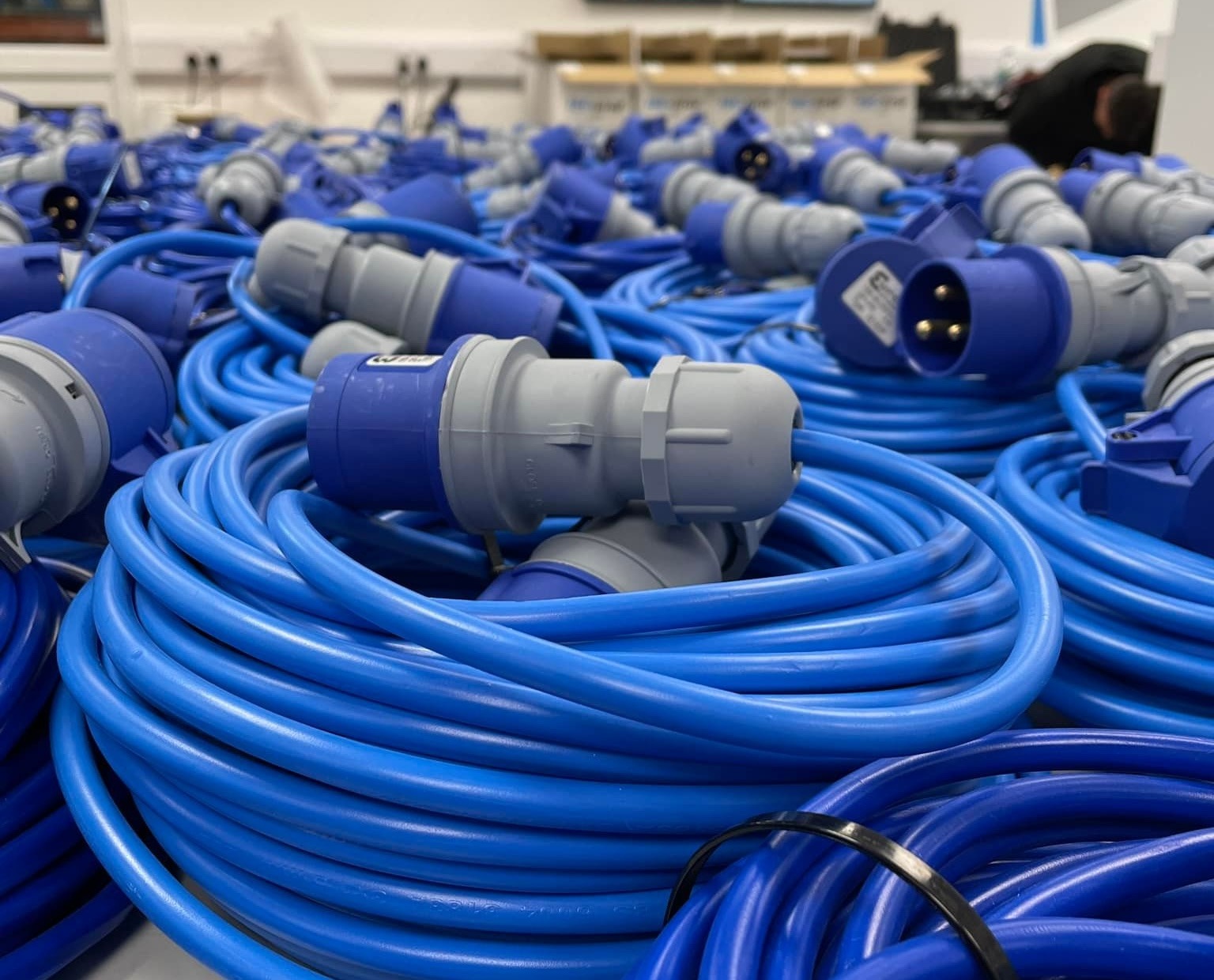
A cable assembly usually consists of one or more cables terminated at each end. It focuses on signal or power transfer between two points.
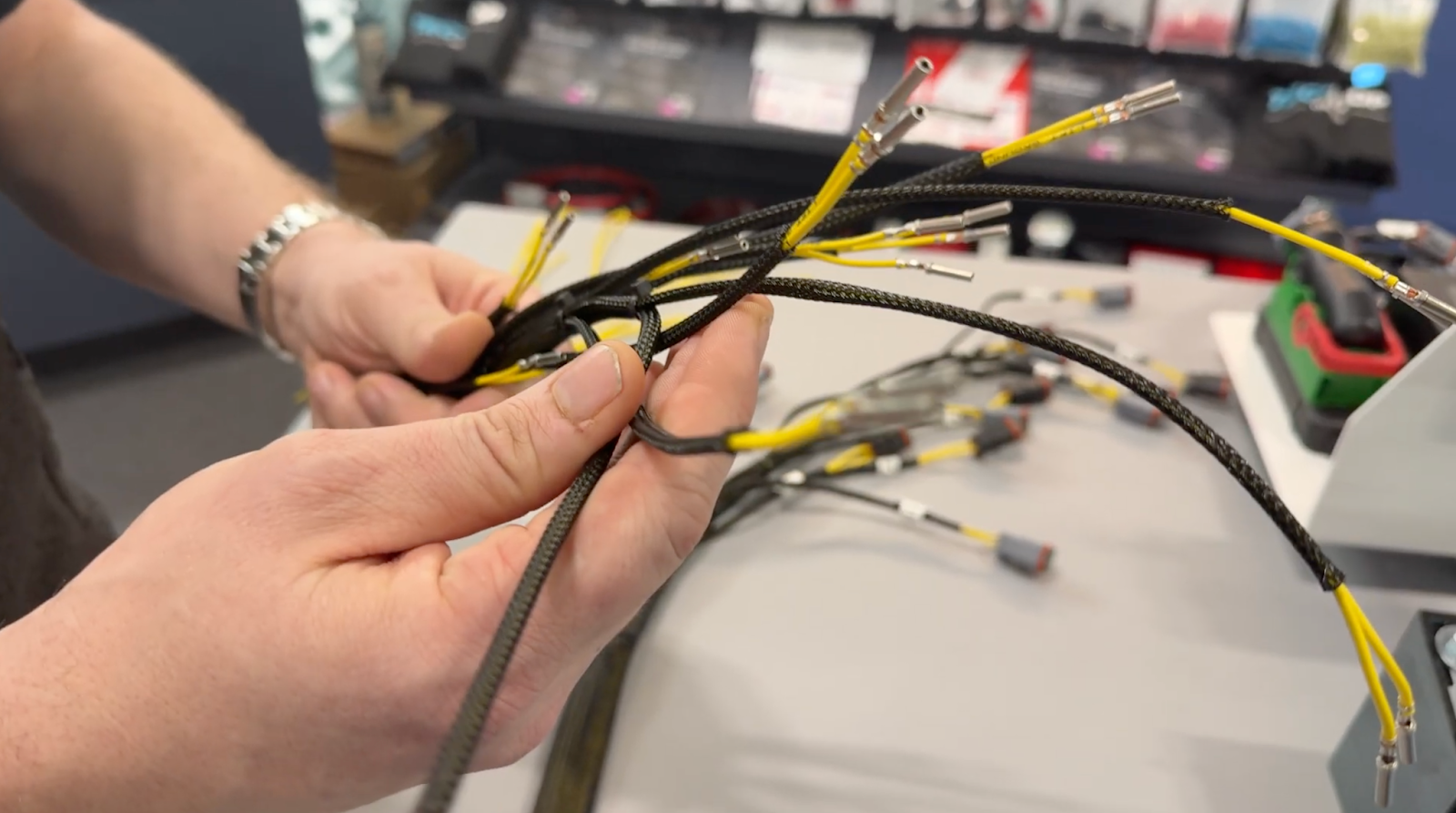
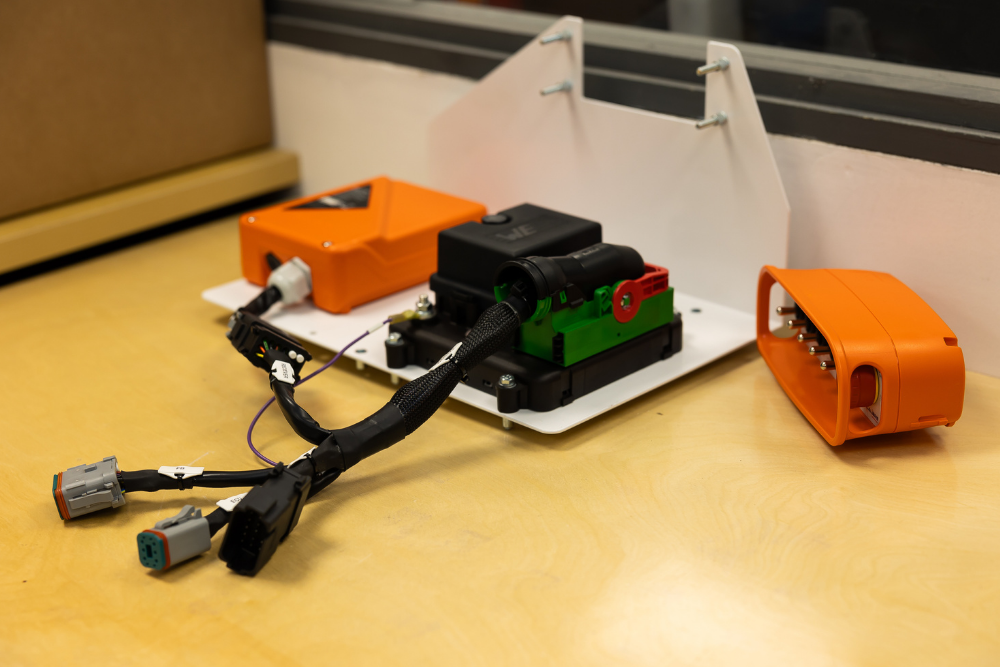
A wiring harness brings together multiple wires or cables, often branching, with connectors, protection and routing defined to fit within a larger system.
So in short:
Cable assembly: Point-to-point connection
Wiring harness: Integrated wiring solution for a system
This distinction helps determine which solution suits your application.
Wiring harness vs wiring loom - is there a difference?
The terms wiring harness and wiring loom are often used interchangeably. In UK manufacturing, wiring harness is the more common technical term. Wiring loom is sometimes used historically or informally. Both describe a structured grouping of wires and cables built to support electrical systems within equipment or machinery.
Wiring harness and wiring loom are often used interchangeably in the UK, both referring to structured electrical assemblies.
When do you need a wiring harness?
A wiring harness is typically required when:
Your system includes multiple electrical connections
Wiring routes need to fit specific physical constraints
Reliability matters across repeat builds
Installation time needs to stay controlled
Maintenance and fault finding must stay straightforward
These factors apply across many OEM wiring harness projects.
What applications use wiring harnesses?
Wiring harnesses are widely used across industrial and OEM environments. Common examples include:
Wiring harness for industrial equipment
Wiring harness for machinery
Wiring harness for OEM applications
They support systems such as controls, sensors, motors, lighting and communication circuits where consistency and durability matter.
Wiring harnesses are widely used across industrial equipment, machinery and OEM systems.
Are wiring harnesses custom made?
Most wiring harnesses are indeed built as a custom wiring harness or bespoke wiring harness.
Each design reflects:
Electrical requirements
Connector selection
Routing and strain relief
Environmental demands
Installation constraints
This ensures the wiring harness integrates cleanly into the final product rather than forcing compromises during installation.
How a bespoke wiring harness is made at Tec-Stop’s UK facility
At Tec-Stop Wiring, wiring harness manufacturing takes place at our UK facility in Worcester, using defined, repeatable processes designed to support quality, consistency and long-term supply and scale.
Every wiring harness is built to an agreed specification, with careful attention paid to how the harness will be installed, routed and used within your application.
A typical wiring harness assembly process includes:
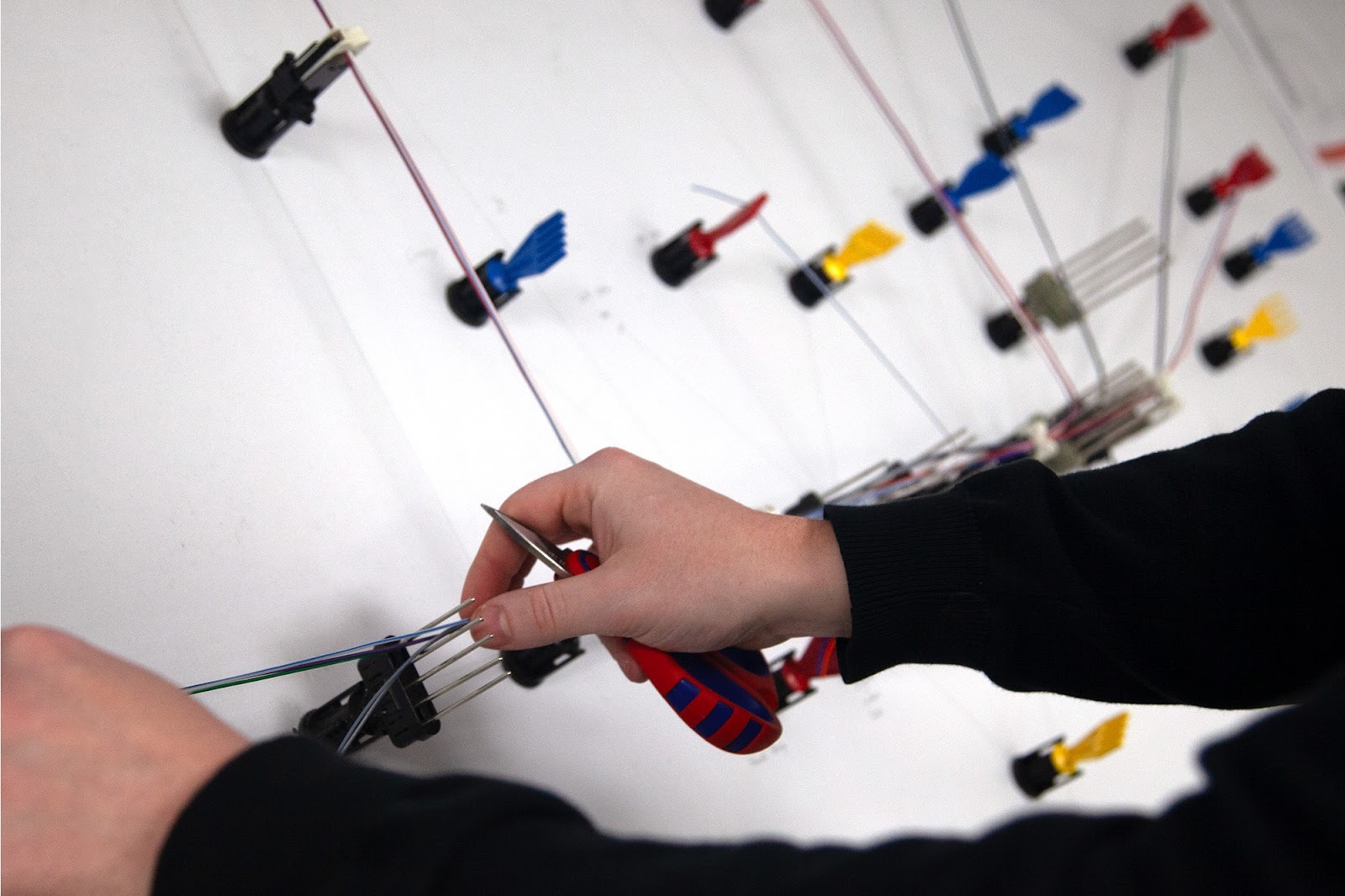
Wire preparation and identification to controlled lengths
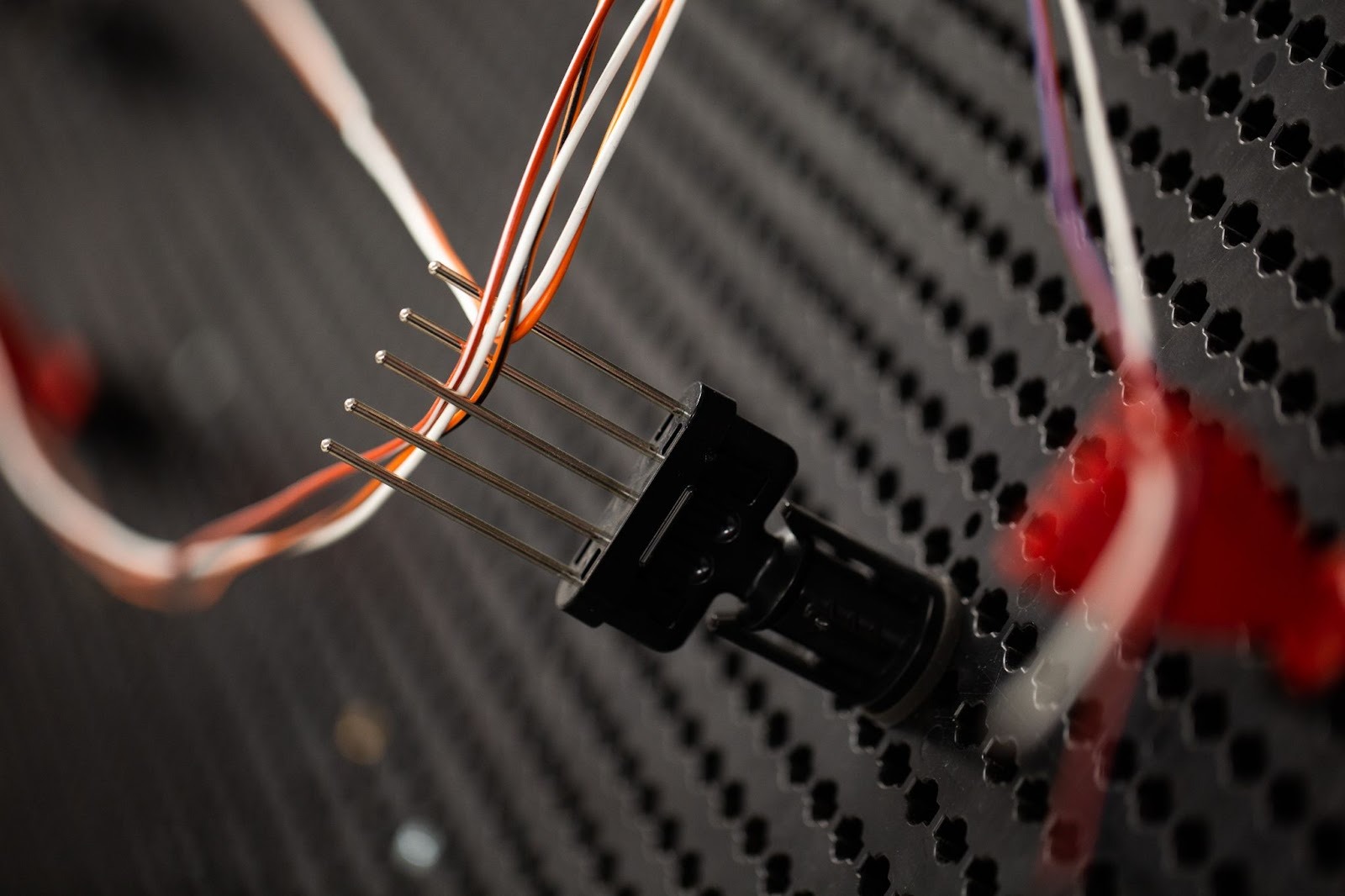
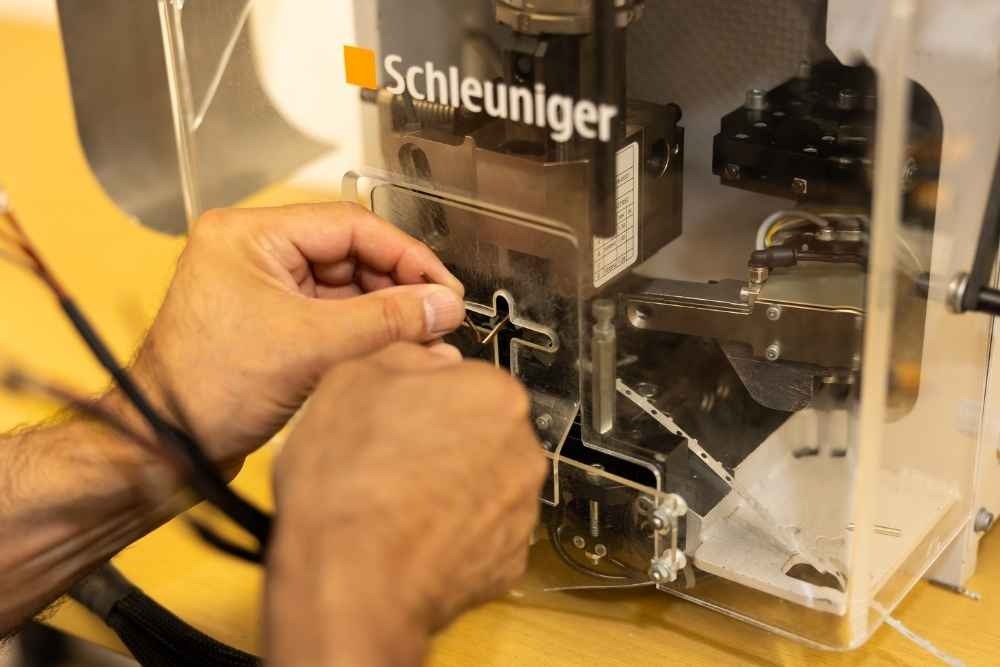
Termination and crimping using the correct tooling for each conductor and terminal
Connector assembly to match your drawings and interface requirements
Bundling, protection and strain relief suited to the operating environment
Inspection and testing before release
By managing these stages in-house, we reduce variation between builds and support smoother installation on site. This approach is particularly important for OEM wiring harness projects where consistency across repeat orders matters.
Wiring harness quality control and standards
Quality control is built into every stage of wiring harness production here at Tec-Stop.
All wiring harnesses are manufactured within our ISO 9001 quality management system, supporting clear documentation, traceability and repeatable wiring harness production.
Every bespoke wiring harness is built to a defined specification, with routing and protection tailored to the application.
This includes:
Documented build procedures aligned to your specification
In-process inspection and final checks
Test records where required
Traceability across materials, components and assemblies
As a UK wiring harness supplier - and trusted wiring partner - this structure allows us to support customers from early builds through to ongoing production, with confidence that each wiring harness meets the same standard every time.
The result is fewer surprises during installation, easier fault-finding during maintenance, and a more stable supply over the life of your product.
Choosing a UK wiring harness supplier
When selecting a wiring harness supplier or wiring harness manufacturer UK teams should look beyond price alone.
Key considerations include:
Experience with OEM wiring harness projects
Defined wiring harness design support
Robust wiring harness quality control
Ability to scale from prototype to production
Deep understanding and experience in your specific industry/sector
The right supplier supports your application throughout its lifecycle.
Quality control is built into every stage of wiring harness production, supporting consistency and traceability.
We support customers from early builds through to ongoing production, with confidence that each wiring harness meets the same standard every time.
Yes. Wire harness and wiring harness refer to the same type of assembly. Wire harness is more commonly used in US terminology, while wiring harness is the preferred term in the UK and Europe, but both terms describe the same type of electrical assembly.
How do I choose a wiring harness manufacturer in the UK?
Choose a UK wiring harness manufacturer with proven OEM experience, defined quality processes, and the ability to support both early builds and ongoing production. Look for ISO 9001 accreditation, clear documentation, and evidence of repeat supply rather than one-off builds.
What should I look for in a wiring harness supplier?
A reliable wiring harness supplier should offer design support, controlled assembly processes, traceability, and consistent quality across repeat orders. The ability to scale from prototype to production is critical for OEM applications.
Is it better to use a UK wiring harness manufacturer?
If you’re also based in the UK, using a UK wiring harness manufacturer supports shorter lead times, clearer communication, and easier collaboration during design changes or production ramp-up. For many OEMs, this also reduces supply chain risk compared to overseas sourcing.
Can a wiring harness manufacturer support low-volume and production builds?
Yes, many OEMs work with wiring harness manufacturers who support low-volume builds during development and scale into production wiring harness supply once designs are approved. This continuity reduces rework and supplier changeover risk.
What information does a wiring harness manufacturer need to quote?
A wiring harness manufacturer typically needs drawings or schematics, connector and cable specifications, target volumes, and any environmental or compliance requirements. Clear documentation supports accurate pricing and repeatable production.
What industries commonly use wiring harness manufacturers?
Wiring harness manufacturers support industries including industrial machinery, automation, agricultural equipment, transport systems, and wider OEM applications where reliability, traceability and repeatability matter.
What is the difference between a wiring harness supplier and a wiring harness manufacturer?
A wiring harness manufacturer such as Tec-Stop builds assemblies in-house using defined processes and quality controls. A wiring harness supplier may source or coordinate builds externally. OEMs often prefer manufacturers for better control, traceability and consistency.
How do wiring harness manufacturers ensure quality?
Quality is maintained through controlled assembly processes, inspection and testing, documented procedures, and ISO 9001 quality management systems. This supports consistent wiring harness production across repeat orders.
Can a wiring harness manufacturer support design changes?
Yes, experienced wiring harness manufacturers such as Tec-Stop work closely with OEM teams to support design changes, revisions and improvements throughout a product’s lifecycle, without disrupting supply.
If you’d like further guidance or a free no-obligation quotation for your next wiring harness project, book a call to talk through your requirements with our knowledgeable team.