We use cookies to provide you with the best possible experience. They also allow us to analyze user behavior in order to constantly improve the website for you. Find out more.
Necessary
Analytics
Preferences
Marketing
We're exhibiting at LAMMA 2025, find us at stand 6.644
Wiring harness for renewable energy, EV charging and battery storage
Custom wiring harness for renewable energy, EV charging and battery storage, built and tested in the UK under ISO 9001, from prototype to production.
Electrical wiring assemblies for green energy, EV charging and battery storage need to carry high currents safely, reduce energy loss and cope with outdoor conditions, from heat and moisture to UV and chemical exposure. That calls for the right conductors and insulation for the voltage, connectors and sealing matched to the site, and testing that reflects the safety demands of the sector. Tec-Stop builds custom assemblies for all of these in-house in the UK, from prototype through to production.
Key takeaways
EV charging cables need to meet standards such as IEC 62196, with Type 1 and Type 2 connectors covering most vehicles
Battery and high-voltage cables are specified around current, voltage, length and environment
Outdoor renewable installations need materials that resist heat, moisture, UV and chemicals
Low resistance reduces energy loss and running costs over the life of a system
ISO 9001-certified manufacture and thorough testing give confidence in safety-critical power systems
What makes energy applications different
Energy systems ask more of wiring than most equipment. Currents are higher, voltages can be higher, and many installations sit outdoors for years with little maintenance. For any wiring harness, renewable energy work raises the bar on current, sealing and service life. A cable that runs warm, lets moisture in or degrades in sunlight can mean lost efficiency, replacement work and, in high-voltage systems, a safety risk.
At Tec-Stop Wiring, we make custom wiring harnesses, connectors and components for energy generation, storage and distribution, built to handle high temperatures, moisture and chemical exposure. You can see more on our energy sector page.
EV charging cable assemblies
EV cable assemblies sit between the vehicle and its power source, so they have to handle the high power of fast charging safely, time after time.
Standards and connector types
Our EV cable assemblies can be specified with Type 1 (SAE J1772) and Type 2 connectors for compatible AC charging applications. We consider the relevant international standards, including IEC 62196 for charging connectors and IEC 62893 for charging cables, when assessing your requirements.
Built for frequent use
Charging cables are plugged in, dragged across the ground and left out in the weather. Durable materials, flexibility for handling and storage, and resistance to environmental exposure all matter, whether the cable is for a home, a public site or an industrial charging station. As an EV charging cable assembly manufacturer in the UK, we use weather-resistant materials built for thousands of charging cycles.
Battery and high-voltage cables
Battery and HV cables carry the heaviest loads in a system, including electric vehicles, renewable energy storage and industrial machinery.
What to specify
Voltage and current, which set conductor size and insulation
Length and routing, because longer runs mean more resistance and more energy lost
Environment, including temperature, moisture and vibration
Termination, with lugs and connectors matched to the load
Low resistance reduces energy loss and improves efficiency, while high-quality insulation protects against electrical faults. We tailor each solution to the voltage, length and environmental requirements of the project.
The same applies to wiring assemblies for battery energy storage, where cables sit inside enclosures for years. Ours use multi-layered insulation and are designed to withstand moisture, chemicals, UV light and extreme temperatures.
Solar and wind installations
Renewable systems such as solar and wind put wiring outdoors for the long term, exposed to heat, cold, moisture and UV every day. Durable materials and good sealing keep connections reliable, while well-optimised wiring improves energy transmission and cuts power loss.
As a solar panel wiring harness manufacturer, we specify conductors, insulation and connectors that hold up in these conditions, whether it is a custom wiring harness for solar energy storage or the cabling inside a drive box. A wiring harness for wind turbines also has to cope with constant vibration, so strain relief and secure terminations matter as much as sealing.
We build custom cable assemblies for renewable energy in the UK for small installations and larger energy networks alike, with connectors and sealing chosen for the IP rating each site needs.
A real example, diesel to solar for Aviramp
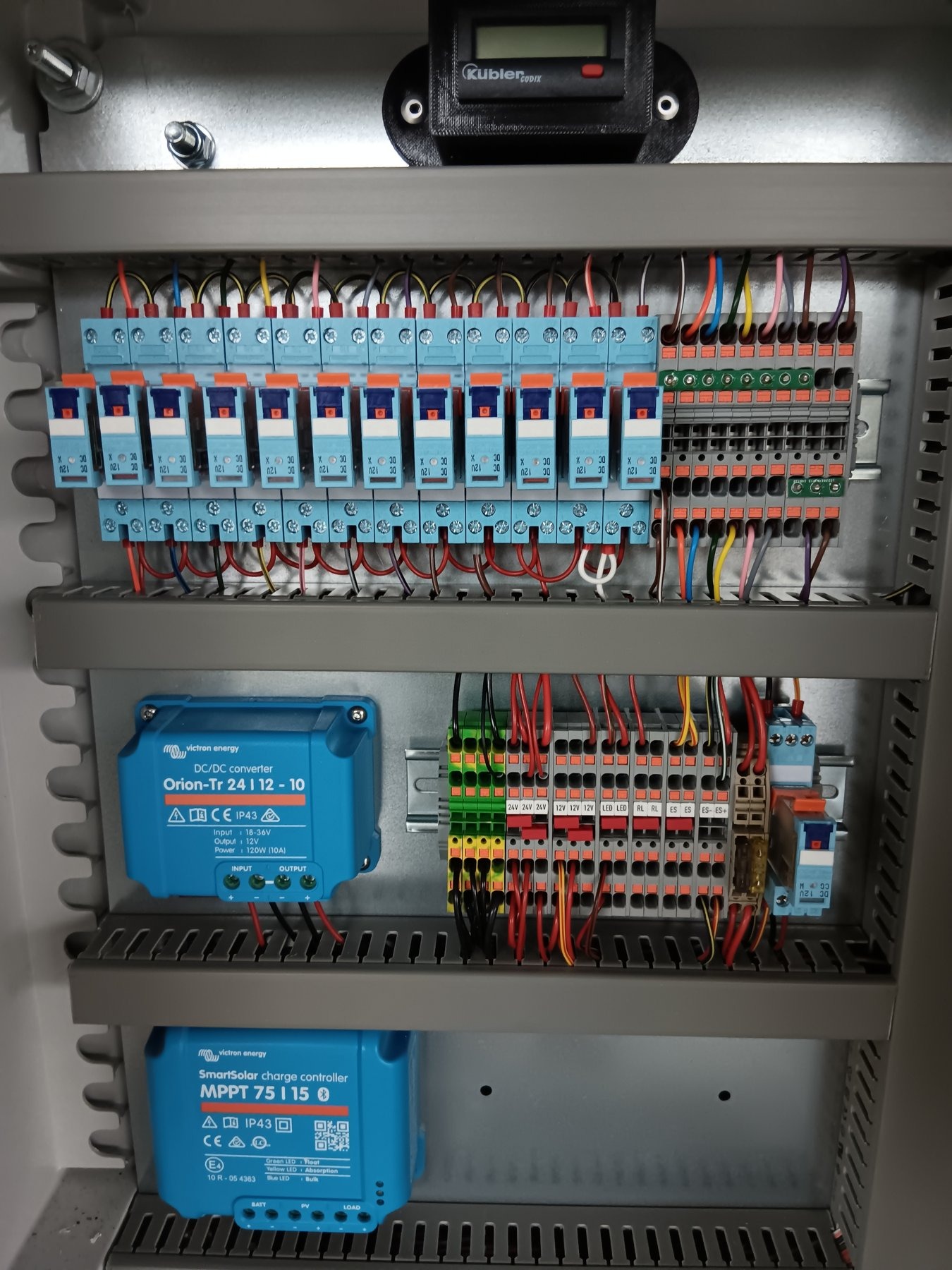
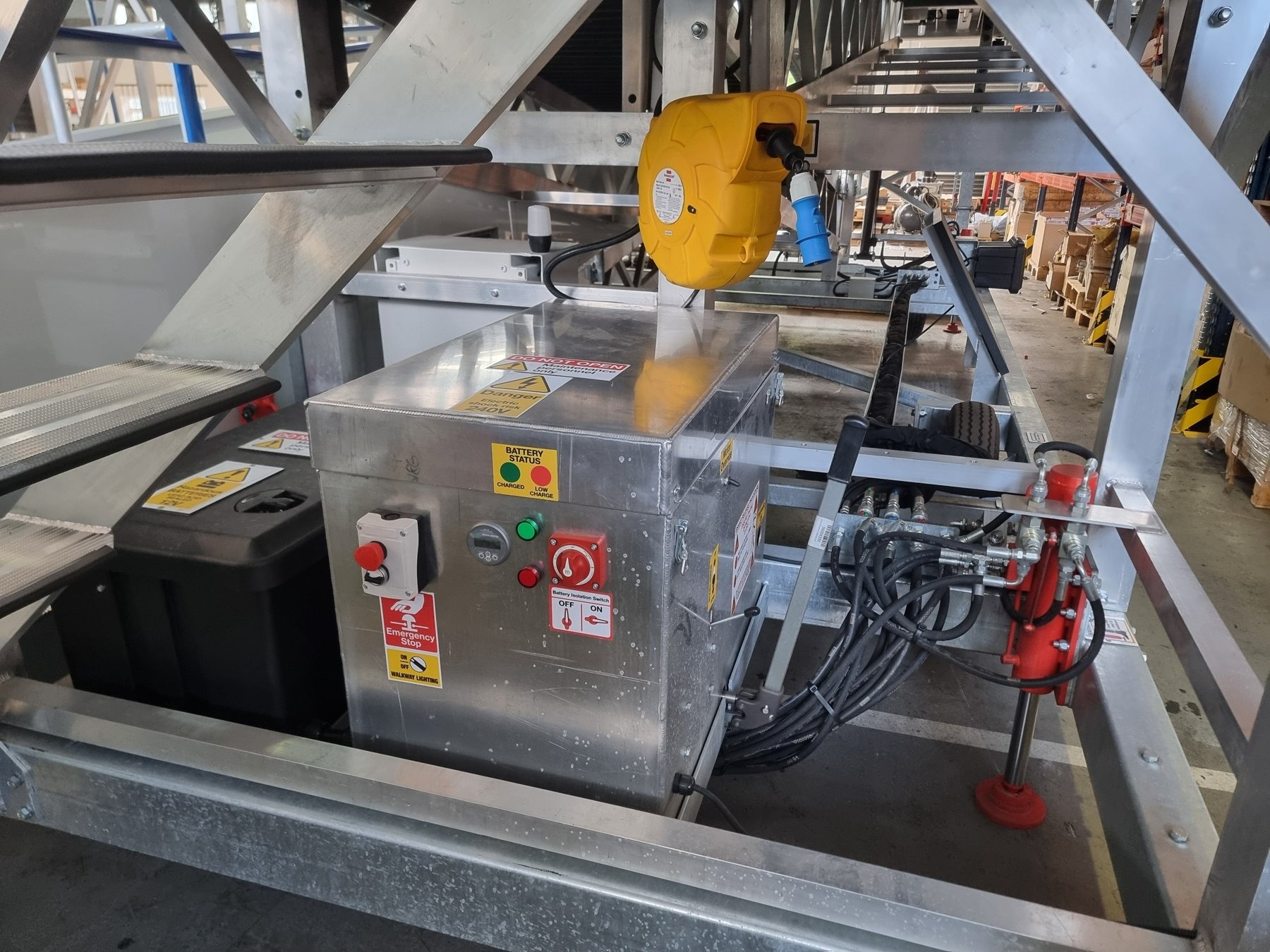
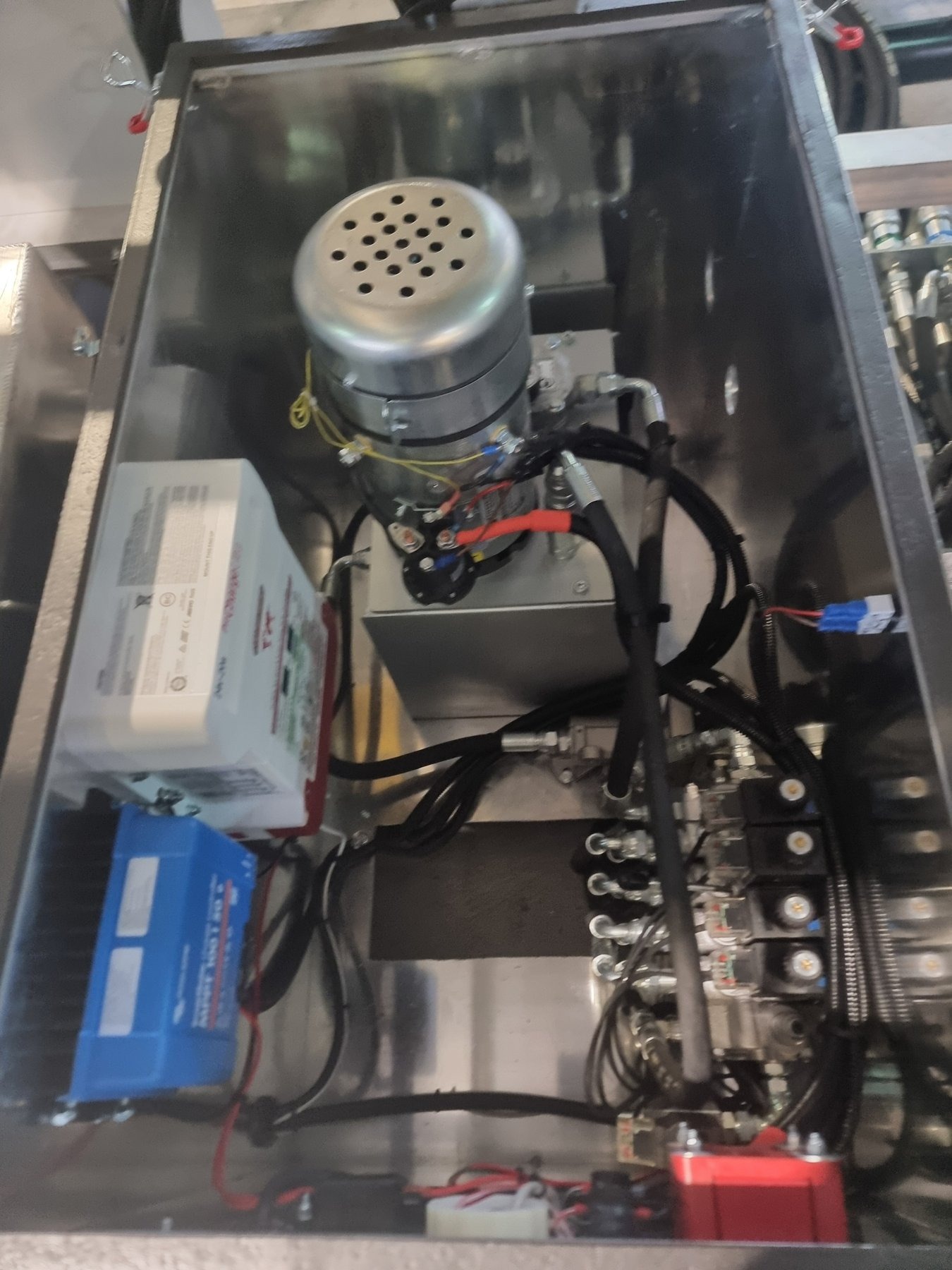
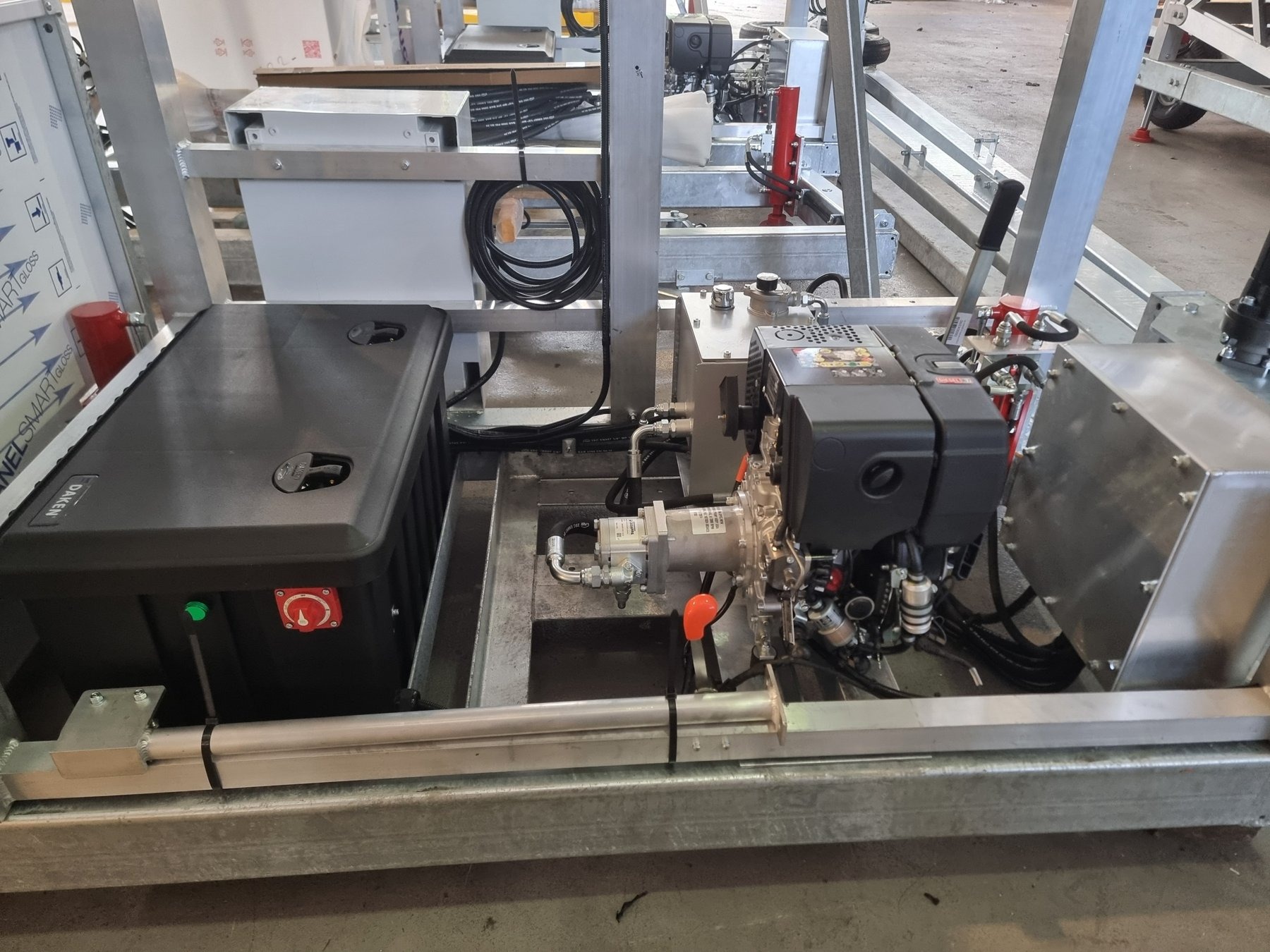
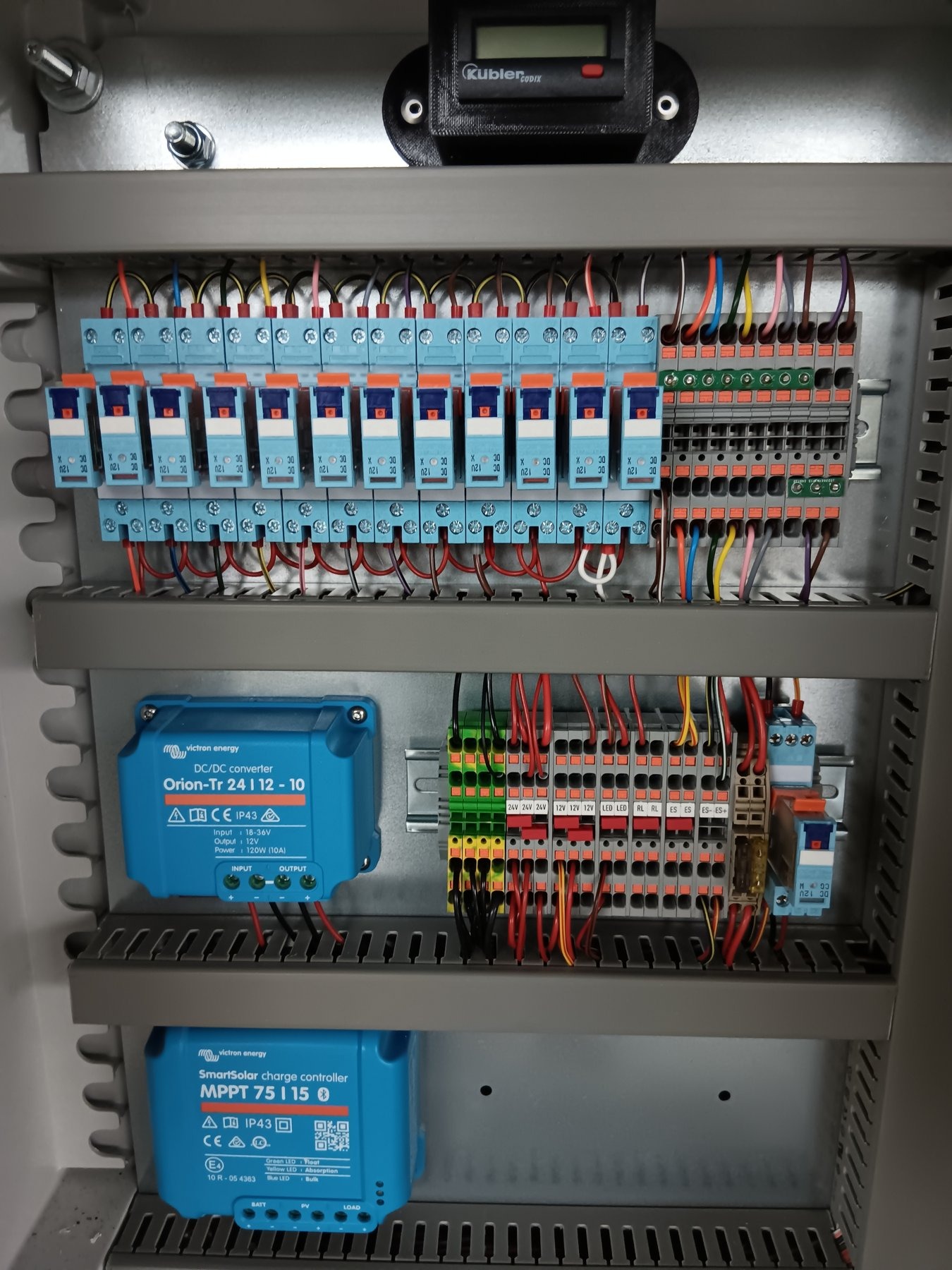
We've worked with Aviramp, who make accessible boarding ramps and bridges for aircraft on remote stands, for many years. Their ramps were originally powered by diesel generators. Together, we replaced the diesel generator system with a solar-electric one, combining solar, battery storage and backup in one integrated system.
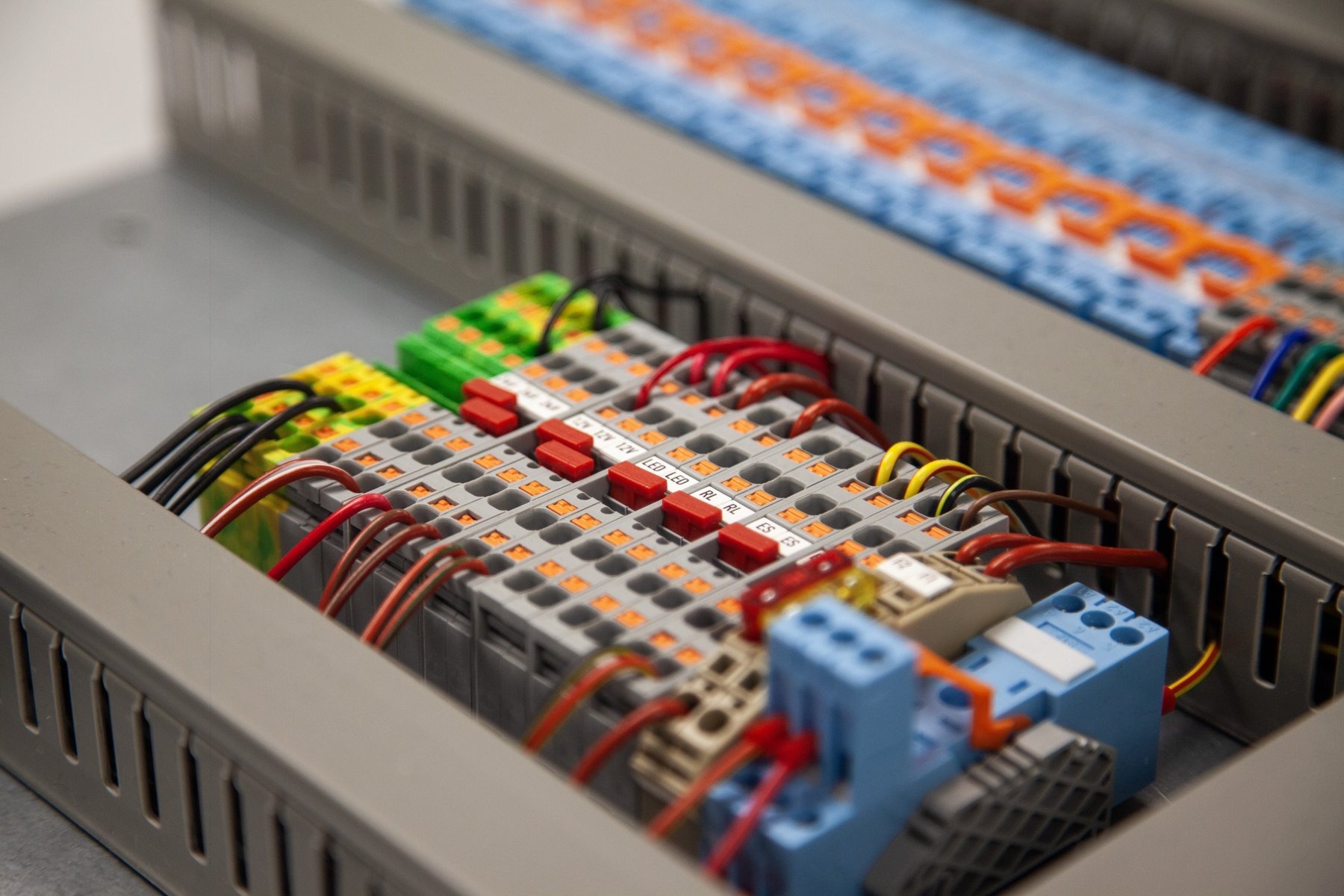
The final control panel brings together a solar charge controller, a DC-DC converter and neatly wired terminals, designed for long-term reliability and low-emission running. The result is a cleaner machine with improved efficiency, lower emissions and lower running costs. Read the full Aviramp case study.
Designing the right assembly
Good performance starts with the design. For charger manufacturers and commercial charging sites, we design each assembly around the plug type, power rating and cable length the product needs, from the charger through to the vehicle connector. As a contract cable assembly manufacturer in the UK, we can advise on the best approach before anything goes into production, saving time and cost later.
From prototype to production
Energy and EV projects often start small and scale quickly. We work from rapid prototypes and low-volume wiring harness runs through to high-volume production, with every assembly built and tested in-house in the UK. Our cable assembly service covers everything from simple looms to complex multi-core assemblies with custom connectors.
Quality you can rely on
All our manufacturing runs under ISO 9001-certified processes, with testing for durability, conductivity and environmental resilience, giving confidence in the wiring inside your energy infrastructure.
In renewable energy and EV applications, getting the wiring right is about more than carrying power safely. Every decision, from conductor size and insulation to connectors and cable routing, affects the efficiency, reliability and lifespan of the finished system.
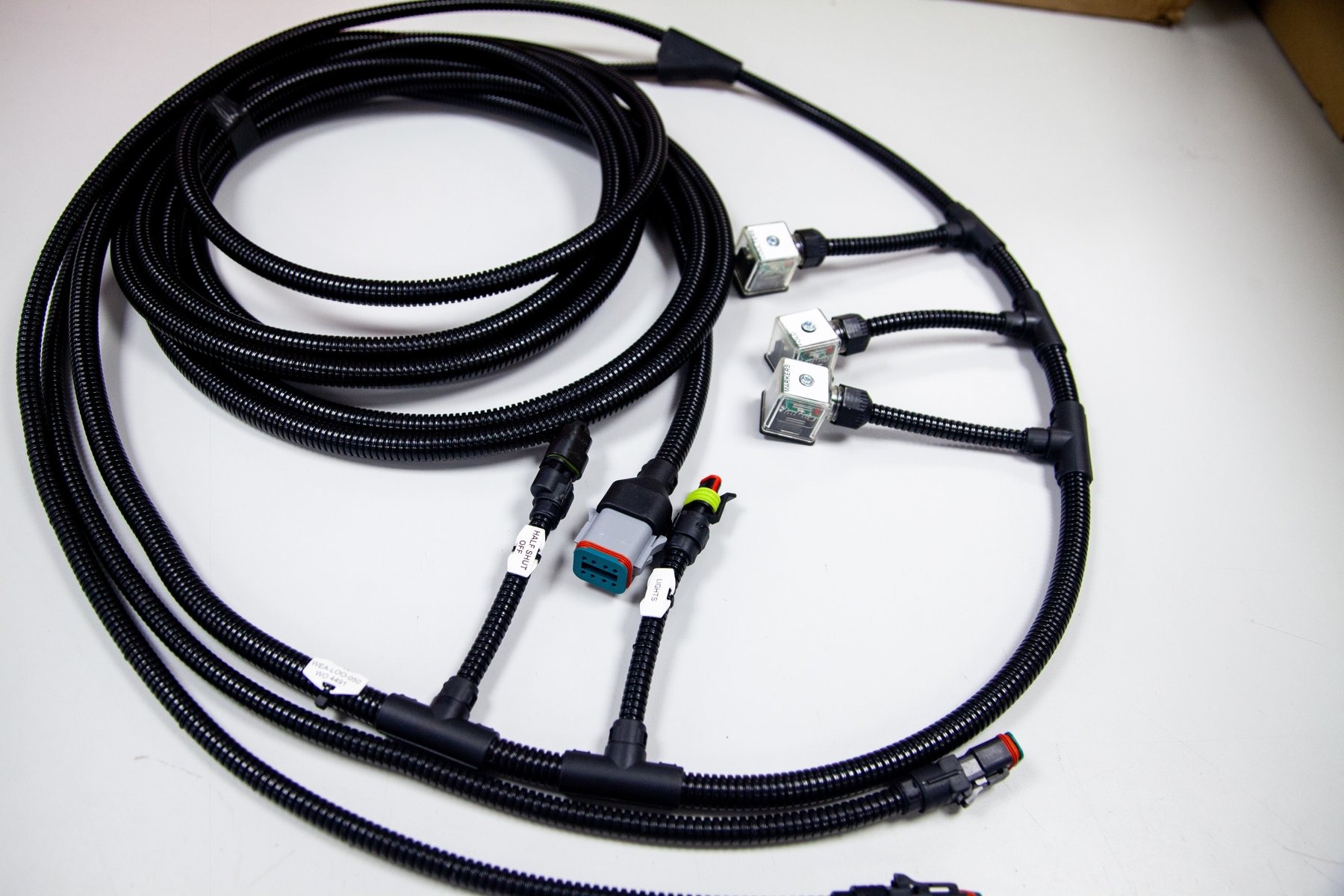
A cable assembly is made up of the cable or wires, connectors and terminals, any protective sleeving, seals or strain relief, and labelling where required. The exact components depend on the electrical, mechanical and environmental requirements of the application.
Can you join two EV cables together?
Joining or extending EV charging cables isn't recommended, as every joint adds resistance and creates a point where heat and moisture can cause failure. A single purpose-made cable of the correct length and rating is the safer option.
What cable do I need to install an EV charger?
The supply cable needed to install an EV charger depends on the charger's power, the length of the run and how it's installed. It should be specified by a qualified electrician in accordance with BS 7671. The charging lead between the charger and vehicle must also have the appropriate rating and compatible connector.
Do you make cable assemblies in small quantities?
Yes, we manufacture cable assemblies in small quantities, from rapid prototypes and low-volume wiring harness runs through to high-volume production, all in-house in Worcester. As a contract cable assembly manufacturer in the UK, we can support your project from initial development through to repeat production.
What does IP67 mean for an outdoor cable assembly?
IP67 means an outdoor cable connection is dust-tight and protected against temporary immersion in water up to 1 metre for 30 minutes, when correctly assembled and tested to that rating. The complete connection, including seals and cable entries, must meet the protection requirements of the application.
Do you make wiring harnesses for solar and wind projects?
Yes, we manufacture custom wiring harnesses and cable assemblies for solar, wind and other renewable energy projects in the UK. Our assemblies are built to your specification, with materials, insulation and connectors selected to suit conditions such as heat, moisture, UV exposure and vibration.
How are your cable assemblies tested?
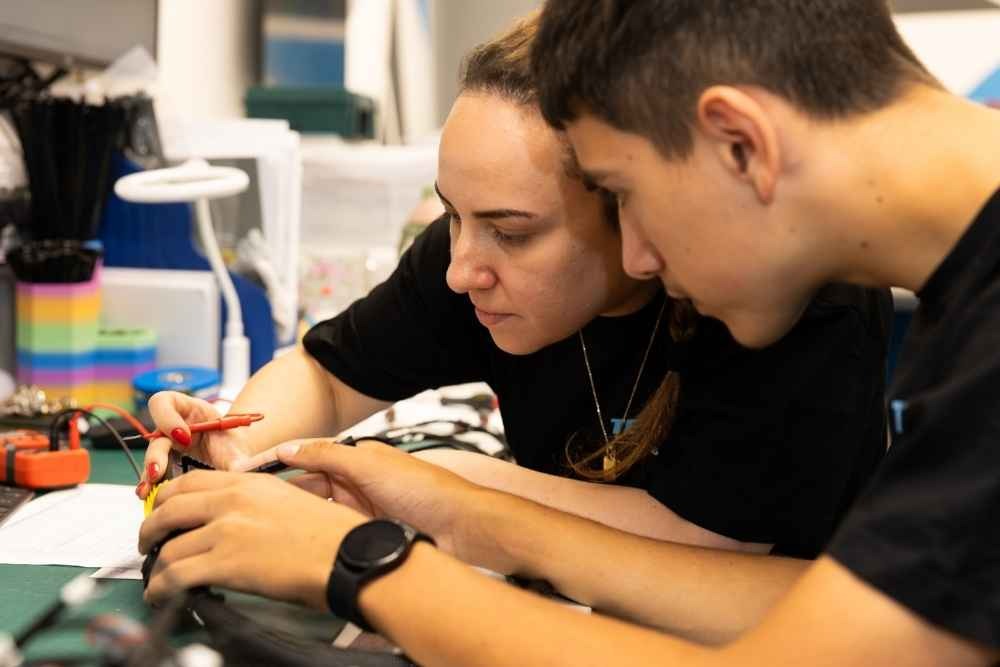
Our cable assemblies are inspected and tested according to each project's requirements, under our ISO 9001-certified quality management system. Depending on the specification, this can include electrical checks such as continuity and insulation resistance testing.
What current can your EV charging cables handle?
The current our EV charging cables can handle depends on the cable specification, conductor size, connector rating and whether the application uses AC or DC charging. We manufacture EV cable assemblies to agreed requirements and can help identify a suitable solution for your charging system.
How quickly can you make a prototype?
Prototype turnaround depends on the complexity, materials and specification of your cable assembly or wiring harness. We offer rapid prototyping at our Worcester facility, helping you test and refine your design before production, and can confirm timescales once we've reviewed your requirements.
Which standards do your cable assemblies meet?
The standards applicable to our cable assemblies depend on the application and agreed project specification. We manufacture under an ISO 9001-certified quality management system, with materials, components and testing requirements selected to suit each project. These may include RoHS requirements and relevant IEC, UL or MIL specifications, where applicable.
Talk to us about your energy project
If you're building EV charging equipment, battery storage or a renewable installation, we'd be glad to help with the wiring.